Best Support Bands for an Apron Belly
Research-backed picks for a lower belly that hangs, ranked on the one thing that decides whether a band helps: does it lift the apron off the skin underneath, or just press it flatter.
| # | Pick | Best for | Score | Price |
|---|---|---|---|---|
| 1 |  BraceAbility Obesity Belt Stomach Holder Belly Support Band GirdlePurpose-built hanging-stomach band, listed for a pendulous abdomen | Lifting a heavy apron up and off the skin beneath it | 9.2/10 | |
| 2 |  Movibrace Abdominal Support Belt for Hanging Belly and PanniculusPanniculus support belt, listed to triple extra large | The largest aprons, where most bands simply do not fasten | 8.9/10 | |
| 3 |  KeaBabies Pregnancy Belly BandsSoft maternity belly band, worn under or over the bump | Pregnancy, when the apron sits underneath a growing bump | 8.6/10 | |
| 4 | 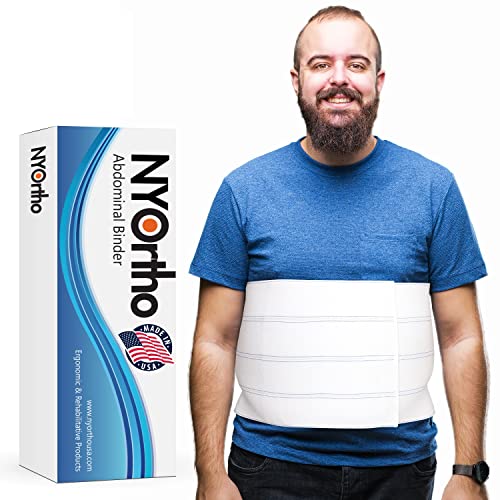 NYOrtho Bariatric Abdominal Binder 12-Inch Wide Elastic Belly Wrap12-inch-wide bariatric abdominal binder | Spreading the load when a narrow band cuts in | 8.4/10 | |
| 5 |  Momcozy CozySupport 3D Ergonest Maternity Belly BandContoured maternity band shaped to sit under the bump | All-day pregnancy wear when a flat band keeps rolling | 8.2/10 |
Rows link to the full write-up below. Scores are ours, from published specs and what buyers consistently report — we have not worn these.
By Selena H. · Last reviewed: November 2026
As an Amazon Associate, we earn from qualifying purchases. We do not set prices: the figure in each button is Amazon’s own, as of the date shown, and Amazon is authoritative when you click. How this site is funded.
This is general information, not medical advice. Talk to your midwife, OB or GP about your own symptoms. Severe or sudden pain, bleeding, a fever, or regular contractions before 37 weeks need a call to your provider now — before you buy anything.
The short answer
An apron belly needs lifting, and almost every belly band sold is built to compress. Compression presses the fold flatter against your body, which keeps the skin underneath warm and damp and does nothing about the weight pulling on your lower back. A band that carries the apron upward solves both at once. Before you compare brands, work out which of those two things you are buying. It matters more than anything else on this page.
What an apron belly is, and why ordinary bands miss it
An apron belly — clinically, a panniculus — is a fold of skin and tissue that hangs down over the lower abdomen rather than sitting flat. It is extremely common after pregnancy, because the abdominal wall and the skin over it have been stretched for months and neither springs back on the schedule the internet promises. It is also common without pregnancy, after significant weight change, and simply as a body shape some people have always had. Pregnancy frequently makes an existing apron more noticeable, because the bump grows above it.
Two separate things make it uncomfortable. The first is weight: a fold of tissue hanging forward pulls the pelvis into a tilt and loads the lower back, in much the same way a bump does. The second is the fold itself, which traps warmth and moisture against skin, and skin kept warm and damp against other skin gets sore, then red, then sometimes genuinely infected. A product that helps has to answer at least one of those and ideally both.
This is where the usual advice goes wrong. Search for a belly band and you will be sold postpartum compression wraps, waist trainers and post-surgical binders, all of which are designed to squeeze the abdomen inward. Squeezing an apron does not lift it. It flattens it against your body, which presses the two skin surfaces of the fold harder together — the opposite of what the second problem needs. A small number of products are built to hold the apron up instead, and those are the ones worth paying for.
How we picked
We set the criteria first, before looking at a single product. A band earns a place here if it lifts rather than merely compresses, if it is wide enough across the lower abdomen to spread its pull instead of cutting one line into you, if it stays where you put it when you walk rather than rolling up toward the ribs, if the fabric against your skin can breathe, if it genuinely fits past the sizes where most maternity bands stop, and if there is at least one option you could wear under work clothes. Every pick above is scored on those six, and the scores are our editorial judgment from the published specifications and the design, not measurements we took.
Every product was then checked against a live listing, so nothing here is discontinued or invented. We have not worn any of them. We will also say plainly that this is a category with very few purpose-built products in it: most of what is sold for an apron belly is a bariatric or post-surgical binder with different packaging, which is why two of our highest-scoring picks come from medical bracing brands rather than maternity ones. Our full method is on how we pick.
The buying guide
Lift or compression — decide this first
If your main complaint is dragging, backache and the feeling that your front is pulling you forward, you want lift: a band that sits low, cups the underside of the apron and carries it. If your main complaint is that your middle feels unsupported and wobbly when you move, and the fold itself is soft rather than heavy, compression is fine and a wide binder is cheaper and more comfortable. If both are true, buy for lift. A lifter provides some compression as a side effect; a compression binder provides no lift at all.
Width is the comfort variable
The single most common reason people abandon a band is that it hurts after an hour, and the reason it hurts is almost always that it is too narrow for the body it is on. Force has to go somewhere: a six-inch band on a large abdomen puts all of it through a six-inch line, which usually lands on the top edge of the fold or across the hip bones. Twelve inches of width puts the same force through twice the area. The trade is visibility and heat, which is why the narrow options still have a place for work days.
Measure where the band will actually sit
Sizing is where most of these purchases go wrong, and it goes wrong in a predictable way: people measure their natural waist, order to that, and find the band does not fasten because the band is worn much lower, around the widest part of the abdomen. Measure there instead, standing up, with the tape where the band will sit — not pulled tight. If you are between sizes, size up. A band at the very top of its stretch loses the ability to hold anything and spends the day rolling. Our support belt size chart walks through the measurement properly.
The skin under the fold matters as much as the back
Intertrigo — the red, sore, sometimes weeping rash that develops where skin sits against skin — is the part of this nobody writes buying guides about, and for a lot of people it is the real problem. Heat and trapped moisture are what cause it, so the useful features are the ones that let the fold open and dry: a band that lifts, a breathable fabric rather than a sealed neoprene-style wrap, and a cotton liner between the surfaces. Plain cotton tummy liners are sold in multipacks for a few dollars and are worth buying alongside whichever band you choose. Wash and dry the fold properly, and if the skin is broken, weeping or smells, that needs a clinician rather than a better band.
Hook-and-loop against bare skin is a mistake
Most of the medical options here fasten with a hook-and-loop panel, and most people wear them straight against the skin on the first day and regret it. Wear a thin cotton layer underneath. It keeps the scratchy edge off you, it absorbs the sweat that would otherwise sit in the band, and it roughly doubles how long the band lasts before the fastening gives up.
How many hours a day is reasonable
Support garments are a crutch in the useful sense: they take load off while you build the strength to carry it yourself. Wearing one all day every day lets the deep abdominal muscles do less, and the usual advice for any abdominal support is to wear it for the activities that need it — being on your feet, a long walk, a working shift — and to take it off at home. Nobody should sleep in one. If you are using it to manage pain, that is a good reason to also be doing something about the pain, and postnatal or pelvic health physical therapy is the thing that actually changes the picture over months. Our back pain relief guide covers the rest of what helps.
What else is in the same drawer
An apron belly is rarely a standalone purchase. If you are pregnant, a band worn low is doing a job that overlaps with a maternity support belt, and the support belt roundup is the fuller comparison. If you are in the first weeks after a birth, a postpartum belly wrap is a different product with a different purpose, and band versus belt settles the terminology that retailers deliberately blur. If what you need is clothing that works over the shape rather than a brace under it, our plus-size maternity jeans roundup is the more useful page.
When a band is not the answer
A bulge that is new, that appears when you cough or strain, that you can push back in, or that is painful and tender needs assessing rather than strapping. Hernias are common around and under an apron and a tight binder over an untreated one is not a good idea. Skin in the fold that is broken, weeping, smells, or is spreading redness outward needs treating. And pain that is severe, worsening, or comes with fever belongs with a clinician the same day.
It is also worth saying what a band cannot do. No garment removes an apron. The tissue is still there when you take it off, and the products that promise otherwise are selling you a shape for an evening. What a band genuinely does is take weight off your back for the hours you wear it and keep the fold open enough for the skin to stay healthy. That is a worthwhile thing to buy. It is not a treatment, and for a persistent apron after pregnancy the things that change it over time are time itself, strength work with someone who knows postnatal abdomens, and in some cases surgery.
Every pick, in detail
Scores below are ours. They come from the published specification sheets and from the patterns in what buyers consistently report — not from wearing these ourselves.
Top pick · Lifting a heavy apron up and off the skin beneath it
9.2/10BraceAbility Obesity Belt Stomach Holder Belly Support Band Girdle
The top pick because it is one of very few products on the market designed for this specific problem rather than adapted to it. Almost everything else sold as a belly band is a compression garment: it presses the abdomen inward and flatter, which is the wrong direction when the complaint is that a fold of tissue hangs down and rubs. This one is built to carry the weight of a hanging stomach and hold it up, which takes the drag off your lower back and opens the skin fold so air can reach it. If you have been buying ordinary binders and wondering why they make no difference, this is the category you were looking for.
- Type
- Purpose-built hanging-stomach support band
- Listed for
- Pendulous abdomen, lower tummy and apron belly support
- Fit
- Plus size, men and women
- Closure
- Hook-and-loop wrap
What works
- Designed for a pendulous abdomen rather than repurposed from post-surgical compression
- Carries the weight upward, which is what relieves the dragging feeling
- Opening the fold is as useful as the support — it lets the skin underneath dry out
- Sized for genuinely large waists rather than topping out at an optimistic XL
What it gives up
- Looks and feels like a medical brace, which some people will not wear
- Bulky enough to show under anything close-fitting
- Hook-and-loop closure catches on knitwear and wears out over a year of daily use
- Takes a few tries to work out the right height on your own body
Skip it ifyour lower belly is soft and flat rather than hanging — a plain wide binder costs less and does the job.
| Lifts the apron instead of flattening it | 9.7 |
|---|---|
| Width across the lower abdomen | 9.0 |
| Stays put when you walk | 9.0 |
| Breathes against the skin | 7.8 |
| Fits past a 50 inch waist | 9.5 |
| Discreet under clothes | 5.8 |
#ad · affiliate link · price as of November 28, 2026
Pick 2 · The largest aprons, where most bands simply do not fasten
8.9/10Movibrace Abdominal Support Belt for Hanging Belly and Panniculus
The one to look at when sizing is the problem rather than the design. Panniculus is the clinical word for the apron, and this belt is sold under that word, which tells you who it is for. The practical reason it earns a high place here is the top of the size range: plenty of people with a significant apron have already bought two or three bands that did not meet in the middle, and a band that fastens is worth more than a cleverer one that does not. Support is good rather than exceptional, and the fabric is unremarkable, but it fits where the competition stops.
- Type
- Panniculus support belt
- Listed for
- Hanging belly and panniculus support
- Sizing
- Listed in sizes up to triple extra large
- Closure
- Hook-and-loop wrap
What works
- Size range goes well past where most belly bands end
- Sold and sized for a panniculus specifically, not for a flat postpartum tummy
- Simple wrap construction with nothing to break
- Wide enough that it does not dig in as a single hard line
What it gives up
- Lift is good but less decisive than a purpose-built lifter
- Plain fabric runs warm in summer and against a damp fold
- No structure, so it needs re-tightening through the day
- Not something you will wear under a fitted dress
Skip it ifa standard plus-size binder already fastens comfortably on you — you are paying for size range you do not need.
| Lifts the apron instead of flattening it | 8.8 |
|---|---|
| Width across the lower abdomen | 8.7 |
| Stays put when you walk | 8.2 |
| Breathes against the skin | 7.3 |
| Fits past a 50 inch waist | 9.8 |
| Discreet under clothes | 6.0 |
#ad · affiliate link · price as of November 28, 2026
Pick 3 · Pregnancy, when the apron sits underneath a growing bump
8.6/10KeaBabies Pregnancy Belly Bands
The best answer during pregnancy, which is a different problem from the postpartum one and frequently gets the wrong product recommended for it. If you carried an apron before conceiving, the bump grows above it and the fold stays where it was, so you now have two things pulling on the same lower back. A soft maternity band worn low supports both without the rigidity of a medical binder, and it is comfortable enough that people actually keep it on for a working day. It gives less outright lift than a brace. It is far more wearable, and a band you wear beats a band you do not.
- Type
- Breathable mesh belly band
- Support
- Pelvic, hip and lower back
- Size range
- M/L through 2XL
- Under clothes
- Thin enough to disappear under a tee
What works
- Soft and seamless enough for all-day wear during pregnancy
- Worn low, it supports the apron and the underside of the bump together
- No hook-and-loop, so nothing scratches skin that is already irritated
- Discreet under ordinary clothes, which nothing else near the top of this list is
What it gives up
- Lift is modest — it supports rather than raises
- Pull-on style is awkward to get into late in pregnancy
- Rolls at the edges on some body shapes
- Sizing is a judgment call and the band is not adjustable once on
Skip it ifyou want the apron physically held up rather than gently supported.
| Lifts the apron instead of flattening it | 6.8 |
|---|---|
| Width across the lower abdomen | 7.8 |
| Stays put when you walk | 8.0 |
| Breathes against the skin | 9.0 |
| Fits past a 50 inch waist | 7.2 |
| Discreet under clothes | 9.5 |
#ad · affiliate link · price as of November 28, 2026
Pick 4 · Spreading the load when a narrow band cuts in
8.4/10NYOrtho Bariatric Abdominal Binder 12-Inch Wide Elastic Belly Wrap
The width is the argument. A six-inch band on a large abdomen concentrates its whole pull into one line, and that line usually lands either on the top of the fold or right across the hip bones, both of which hurt after an hour. A twelve-inch binder spreads the same force over twice the area, which is more comfortable to wear all day and more stable when you move. It is a plain medical product with no clever lifting geometry, so it compresses more than it lifts, but for a soft apron rather than a heavy one that trade is usually worth making.
- Type
- Medical bariatric abdominal binder
- Width
- 12 inches, per the listing
- Fit
- Plus-size men and women
- Listed for
- Post-surgery stomach compression
What works
- Twelve inches of width spreads pressure instead of concentrating it
- Medical-grade construction that holds tension rather than sagging
- Tall enough to cover the fold and the waist above it in one piece
- Straightforward to fit lying down, which is the easy way with any binder
What it gives up
- Compresses rather than lifts, so a heavy apron still hangs
- Twelve inches is a lot of fabric to hide under a shirt
- Can ride up toward the ribs when you sit down
- Warm against the skin on a hot day
Skip it ifyour apron is heavy and the complaint is dragging rather than general lack of support.
| Lifts the apron instead of flattening it | 7.0 |
|---|---|
| Width across the lower abdomen | 9.6 |
| Stays put when you walk | 8.5 |
| Breathes against the skin | 7.0 |
| Fits past a 50 inch waist | 9.0 |
| Discreet under clothes | 5.5 |
#ad · affiliate link · price as of November 28, 2026
Pick 5 · All-day pregnancy wear when a flat band keeps rolling
8.2/10Momcozy CozySupport 3D Ergonest Maternity Belly Band
A contoured maternity band rather than a straight tube, and the shaping is the reason to pick it over a cheaper band. A flat band on a body with a fold and a bump has two curves to cross and tends to roll at whichever edge it fits worst; a band cut to a three-dimensional shape sits where you put it. The support is light by design. Think of it as the band for the stage when you are on your feet for hours and want something that will not need adjusting every twenty minutes, not as a solution to a heavy apron.
- Type
- Contoured belly band with shaped back panel
- Closure
- Hook-and-loop, adjustable
- Support
- Belly cradle plus lumbar
- Under clothes
- Bulkier than a flat mesh band
What works
- Contoured shape resists the rolling that makes flat bands annoying
- Light enough to forget about over a long day
- Smooth outer face does not print through clothes badly
- Comfortable over sensitive or stretched skin
What it gives up
- Light support — not an answer to significant weight
- Top size is limited compared with the medical binders here
- Shaped for a bump, so it fits less well postpartum
- Needs washing often if worn against a damp fold
Skip it ifyou are past the postpartum period and your apron is a long-term feature rather than a pregnancy one.
| Lifts the apron instead of flattening it | 6.5 |
|---|---|
| Width across the lower abdomen | 7.5 |
| Stays put when you walk | 8.8 |
| Breathes against the skin | 8.5 |
| Fits past a 50 inch waist | 6.5 |
| Discreet under clothes | 9.0 |
#ad · affiliate link · price as of November 28, 2026
Pick 6 · An apron alongside a hernia, a separation or a healing incision
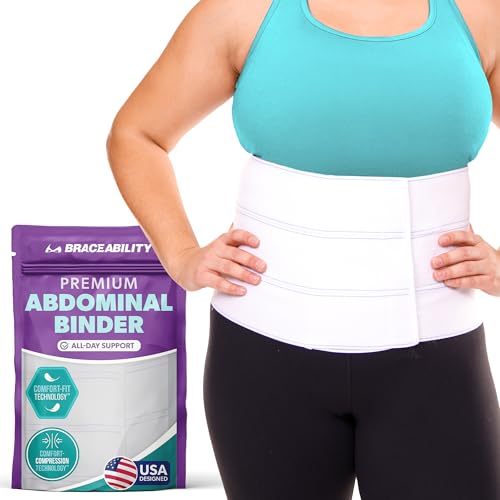
8.0/10BraceAbility Plus Size Abdominal Binder Bariatric Stomach Hernia Belt
The pick for when the apron is not the only thing going on. A great many people with an apron belly also have an umbilical hernia, a diastasis that never closed, or a scar from a caesarean or abdominal surgery sitting right under the fold, and those change what the garment needs to do. This is a plain, strong binder listed for exactly that overlap, which makes it the sensible choice if a surgeon or physical therapist has told you to wear compression. It is unexciting and it does not lift much, and in that situation unexciting is the correct answer.
- Type
- Wide bariatric abdominal binder
- Listed for
- Post-surgery, hernia, diastasis recti, postpartum
- Fit
- Plus size range
- Closure
- Hook-and-loop
What works
- Listed for the conditions that commonly sit alongside an apron belly
- Strong, even compression that holds its tension through the day
- Plus-size range rather than a token extended size
- Easy to fasten at the front without help
What it gives up
- Compression-first design, so a hanging apron still hangs
- Stiff enough to be uncomfortable sitting at a desk for hours
- Hook-and-loop panel is scratchy against bare skin without a layer under it
- Bulky under clothing
Skip it ifyou have no hernia, scar or separation to manage — you are buying firmness you will not enjoy.
| Lifts the apron instead of flattening it | 6.8 |
|---|---|
| Width across the lower abdomen | 9.0 |
| Stays put when you walk | 8.8 |
| Breathes against the skin | 6.5 |
| Fits past a 50 inch waist | 8.8 |
| Discreet under clothes | 5.2 |
#ad · affiliate link · price as of November 28, 2026
Pick 7 · The cheapest useful lift during pregnancy
7.8/10AZMED Maternity Belt Back Support Abdominal Binder
The budget entry, and an honest one. It is a simple adjustable maternity belt rather than anything designed for a fold of tissue, but the adjustability means you can set it low and tight enough to take some weight off the front, and the price is low enough that trying it costs very little. Treat it as the way to find out whether external support helps you at all before spending more. Plenty of people discover from a belt like this that what they actually needed was lift, and then buy a purpose-built lifter with that knowledge.
- Type
- Under-belly support belt
- Closure
- Hook-and-loop, adjustable
- Support
- Pelvic, waist and lower back
- Size range
- One adjustable band across a wide range
What works
- Cheapest way to find out whether support helps your particular belly
- Adjustable, so you can set the height and tension yourself
- Light and thin compared with a medical binder
- Widely sold, easy to replace
What it gives up
- Narrow, so it concentrates pressure into one line
- Listed fit tops out well below what a large apron needs
- Slides upward on a rounded abdomen during a walk
- Thin fabric wears out faster than the medical options here
Skip it ifyour waist is near or past the top of the listed range — it will ride up all day.
| Lifts the apron instead of flattening it | 6.5 |
|---|---|
| Width across the lower abdomen | 6.0 |
| Stays put when you walk | 6.5 |
| Breathes against the skin | 7.5 |
| Fits past a 50 inch waist | 4.5 |
| Discreet under clothes | 8.0 |

#ad · affiliate link · price as of November 28, 2026
Pick 8 · Wearing something under work clothes without a visible ridge
7.5/10ORTONYX Abdominal Binder 6.25 Inch Wide
The low-profile option, included because invisibility is a real requirement and the wide binders fail it completely. Six and a quarter inches of firm elastic sits under a shirt without announcing itself, which is the difference between wearing support at work and leaving it in a drawer. What you give up is obvious: a narrow band cannot hold a heavy apron up, and on a large abdomen it can roll into a rope that digs in. It earns its place for a modest fold, or for the days when the alternative is no support at all.
- Type
- Narrow abdominal binder
- Width
- 6.25 inches, per the listing
- Sizing
- L/XXL listed to a 42 inch waist
- Closure
- Hook-and-loop
What works
- Narrow enough to disappear under ordinary clothing
- Firm elastic that holds tension better than a soft maternity band
- Quick to put on and take off during the day
- Comfortable sitting down, unlike the tall binders
What it gives up
- Too narrow to lift a heavy apron
- Can roll into a band that digs in on a rounded shape
- Listed waist range is the smallest on this page
- Hook-and-loop edge needs a layer under it against bare skin
Skip it ifyour waist is above the listed range or your apron is heavy — this is the wrong size class.
| Lifts the apron instead of flattening it | 5.5 |
|---|---|
| Width across the lower abdomen | 5.0 |
| Stays put when you walk | 7.0 |
| Breathes against the skin | 7.8 |
| Fits past a 50 inch waist | 3.5 |
| Discreet under clothes | 9.3 |

#ad · affiliate link · price as of November 28, 2026
Questions people actually ask
What is the difference between a belly band and an apron belly support band?
A belly band is a compression garment. It presses the abdomen inward, which is useful for general support and does nothing for a fold that hangs.
An apron belly support band is built to carry the fold upward instead. That relieves the dragging weight on your lower back and opens the skin fold so it can dry out, which is the part most people actually need.
Will a support band get rid of my apron belly?
No, and anything that says so is selling a shape rather than a result. The tissue is still there when the band comes off.
What a band does is make the hours you wear it more comfortable: less pull on your back, less rubbing in the fold. For changing the apron itself over months, strength work with a clinician who knows postnatal abdomens is the realistic path, and surgery is the only thing that removes it outright.
Can I wear one while I am pregnant?
Yes, and a soft maternity band worn low is usually the better choice in pregnancy than a rigid medical binder. It supports the underside of the bump and the apron together without squeezing the abdomen.
Set it so it feels supportive rather than tight, and take it off when you are resting. If anything feels restrictive, uncomfortable or makes you breathless, stop and ask your provider before wearing it again.
How do I size one correctly?
Measure where the band will actually sit, which is low, around the widest part of your abdomen — not at your natural waist. Stand up, keep the tape level and do not pull it tight.
If you fall between sizes, go up. A band stretched to the very end of its range cannot hold anything and will roll all day.
What helps the rash under the fold?
Keeping the fold open, dry and cool. A band that lifts helps because it stops the two skin surfaces sitting against each other all day, and a cotton liner between them absorbs the moisture that causes the problem.
Wash the area and dry it properly, including inside the fold. If the skin is broken, weeping, smells or the redness is spreading, see a clinician — that is treatable and a different band will not fix it.
How many hours a day should I wear it?
Wear it for the things that need it: being on your feet, a long walk, a shift at work. Take it off at home and do not sleep in it.
Wearing abdominal support constantly lets the deep abdominal muscles do less of the work, which is the opposite of what you want over months.
Why are so many of these medical brands rather than maternity brands?
Because maternity brands design for a bump, which is firm and sits high, and an apron is soft and sits low. The products that solve the apron problem are mostly bariatric and post-surgical bracing, which is where the engineering for carrying a hanging abdomen already existed.
That is worth knowing before you shop: a product that looks clinical is not a worse buy here, and a prettier maternity band is frequently the wrong shape for the job.
Sources
- American College of Obstetricians and Gynecologists. Back Pain During Pregnancy
- NHS. Back pain in pregnancy
- MedlinePlus, US National Library of Medicine. Aches and pains during pregnancy
- American College of Obstetricians and Gynecologists. Skin Conditions During Pregnancy
- NHS. Your post-pregnancy body
Who wrote this
Selena H.
Selena owns Bump & Bolster and researches and writes every page herself. She built the site around the problems pregnancy throws at you in the order they arrive: sleep first, then pain, then nothing fitting, then recovery.