Research-backed picks across jeans, leggings, work clothes, bras and swimwear, with sizing honesty about where brands disagree.
The clothing problem arrives before the bump does. Somewhere around week ten, nothing with a waistband is comfortable, but nothing maternity fits either — you are in the gap. Then there is a long middle stretch where your measurements change every fortnight, and finally a third-trimester period where the only question is whether a garment covers the bump at the front when you raise your arms.
Which means the answer is not “buy maternity clothes”. It is: buy very little in the gap, buy the four or five things that carry the whole wardrobe in the middle, and accept that a couple of late purchases will be worn for six weeks. People who spend badly in pregnancy almost always spent it all at once, in week 14, on a size that stopped fitting.
Phase one: the gap (roughly weeks 8 to 14)
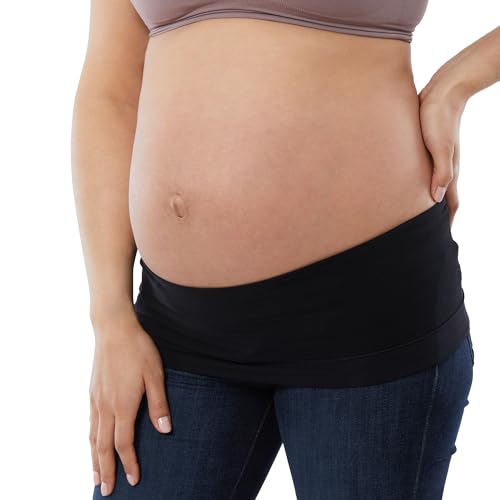
Do not buy maternity clothes yet. Buy one belly band — the stretchy tube kind, not a support belt — which lets you wear your own unbuttoned jeans for another month or two, and a couple of longer tops to cover the gap it leaves. That is genuinely it. Everything else you own still works if you stop tucking things in.
Phase two: the workhorses (roughly weeks 14 to 30)
This is where the money should go, because these are the things you will wear most days for months. In rough order of how hard each one works:
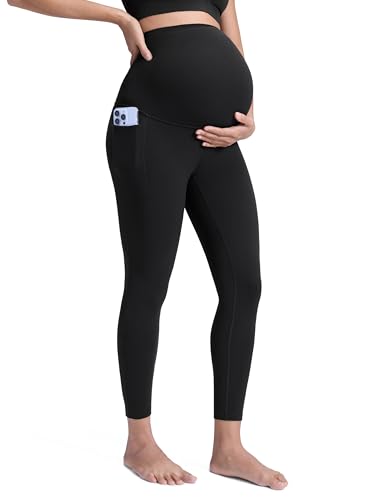
- Two pairs of leggings. Over-belly, with pockets if you can get them. These will outnumber every other garment in your laundry.
- One pair of jeans you actually like. Not the cheapest pair. The panel style matters more than the brand — see below.
- Two or three long tops that cover the bump with your arms up. Ribbed knits are forgiving across the whole range.
- Properly fitted bras. Your rib cage expands before your cup size settles, which is why band size is the thing that changes first and why a bra bought at week 12 is often wrong by week 20.
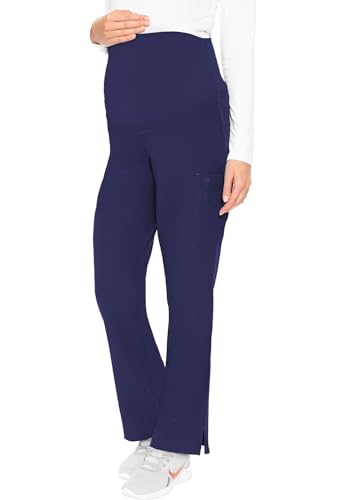
- Work-appropriate trousers if you are in an office, which is the category where sizing up in your own size genuinely does not work — regular trousers do not have the rise.
Over-belly, under-belly or side panel
This is the real decision in maternity bottoms, and it is a preference rather than a hierarchy. Over-belly panels give the most support and the smoothest line, and they are the ones people either love or find hot and prone to rolling down. Under-belly waistbands are cooler and invisible under a fitted top, and they are the ones that slide down when the bump gets heavy. Side panels keep a real front waistband and button, so the garment reads as ordinary clothing — good for offices, less adjustable late on. Most people find out which camp they are in by owning one of each, which is an argument for not buying three pairs of the same style first.
What decides the price
Fabric recovery, mostly. A cheap stretch knit has plenty of give on day one and has bagged at the knee by the tenth wash, which is why the cost per wear on a three-pack of leggings is sometimes worse than on a single better pair. After that you are paying for inseam and size range (tall, petite and plus options cost brands money to carry), for genuine pockets, and for cut — a maternity trouser that looks like a trouser rather than a legging with ambitions.
Sizing, honestly
Maternity sizing is less reliable than regular sizing, and anyone who tells you there is one rule is selling something. The general convention is to buy your pre-pregnancy size, because the garment is already cut for a bump — but brands disagree about it often enough that it is worth reading the size chart on the actual listing every time rather than trusting your usual letter. Where a brand's sizing is reliably off, the sizing guides in this hub say so, and where we do not know, they say that too.
Start with the leggings comparison if you want the highest-mileage purchase first, or when to start wearing maternity clothes if you are still in the gap and trying not to spend yet. If you would rather see the whole thing laid out as a shopping order, what to buy and in what order ranks the ten pieces that do the most work.
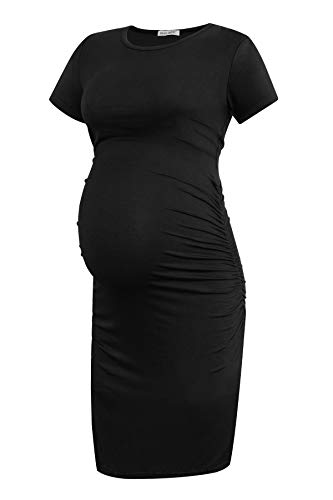
Three narrower pages cover the gaps this one leaves. Our best maternity dresses under $50 page is the budget route to a dress, best maternity sweater dresses covers the one cold-weather outfit that needs no thought, and best maternity wide-leg jeans covers the denim cut that stops gripping a calf that has started to swell. And because leggings are the thing you will wear most and wash most, best maternity leggings under $25 ranks the cheap end, where the panel is as good as it is anywhere and the fabric is where you pay.
As an Amazon Associate, we earn from qualifying purchases. We do not set prices: the figure in each button is Amazon’s own, as of the date shown, and Amazon is authoritative when you click. How this site is funded.