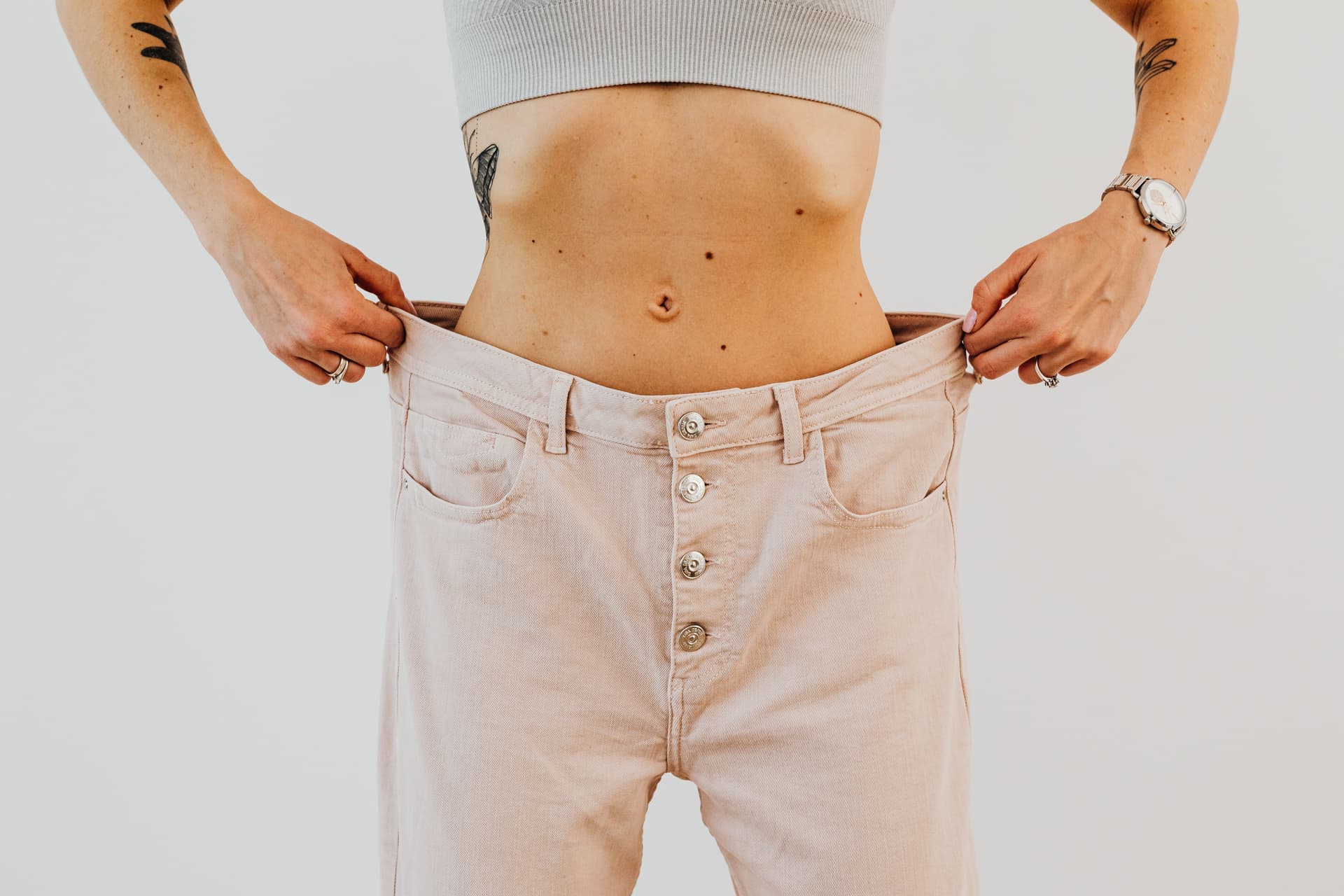
Best Belly Wrap
Best Postpartum Belly Wraps
Six wraps compared on compression, height and c-section fit, with an honest line on what they cannot do.
Top pickFrida Mom Belly Binder for Natural and C-Section Recovery
Check price on AmazonResearch-backed picks for the first six weeks, and plain answers about what recovery actually looks like.

This is general information, not medical advice. Talk to your midwife, OB or GP about your own symptoms. Severe or sudden pain, bleeding, a fever, or regular contractions before 37 weeks need a call to your provider now — before you buy anything.
The gap between how much preparation goes into birth and how much goes into the week after it is the single strangest thing about the whole process. People arrive at the hospital with a packed bag and a plan, and come home to discover that nobody mentioned the bleeding, the stitches, the first time you need the bathroom, or the fact that sitting down is a decision.
This hub is the list nobody gives you. It is deliberately practical and deliberately plain — euphemism is not kindness when you are trying to work out whether what is happening to you is normal.
A peri bottle. If you buy one thing from this hub, buy this. After a vaginal birth, wiping is unpleasant and rinsing is not, and warm water over the area while you go takes the sting out of urinating over stitches or grazes. The hospital will give you a straight-nozzle squeeze bottle; the angled “upside-down” designs work without you having to contort, which matters more than it sounds.
Underwear you do not mind ruining. Mesh hospital-style pants, or disposable high-waisted ones, or cheap cotton briefs several sizes up. High-waisted is not vanity: after a caesarean, a waistband that sits on the incision is genuinely painful, and the mesh styles are the ones that hold a maternity pad without a fight.
More pads than you think, in the right type. Early postpartum bleeding is heavier than a period and maternity pads are longer and more absorbent than period pads of the same stated size. Several people find absorbent pull-on underwear easier than a pad for the first few nights. Tampons and cups are out until your provider says otherwise.
Cold, then warm. For the first 24 to 72 hours after a vaginal birth, cold on the perineum is what helps — which is what the instant-chill maxi pads are for. After that, warm shallow soaking is what helps, which is what a sitz basin is for. Doing it the other way round is a very common and very understandable mistake.
Support, if you want it. A postpartum wrap is optional and worth being honest about: people report that compression helps them feel held together and move more easily in the early weeks. What the evidence does not support is the idea that wrapping reshapes your abdomen or closes a separation. Buy it for the comfort, not the claim, and ask your provider about timing after a caesarean.
Roughly: the first week is bleeding, soreness and no useful sense of time. Weeks two and three are when the stitches stop announcing themselves and the tiredness becomes the main event. By weeks four to six most people can walk comfortably and bleeding has tailed off to spotting. Six weeks is a check-up, not a finish line — abdominal and pelvic-floor recovery runs for months after it, and a caesarean is abdominal surgery with a surgical timeline. The timeline guide goes through it week by week with sources.
Almost nothing here is expensive, and the main decision is kit versus separates. A recovery kit is one order instead of eight and is genuinely easier at 38 weeks pregnant; buying separately gets you more of the two or three items you will actually use and none of the ones you will not. If you have a strong feeling about which pads you like, buy separately. If you have no idea, buy a kit.
Soaking a maternity pad in under an hour, passing clots larger than a golf ball, a fever, a wound that is hot or smells, severe or one-sided calf pain, chest pain or breathlessness, a severe headache with visual changes, or thoughts of harming yourself or your baby are all reasons to get urgent medical help — not reasons to buy a different product. Every page in this hub says so before it recommends anything.
As an Amazon Associate, we earn from qualifying purchases. We do not set prices and we do not show them here — every link goes to Amazon, where the current price lives. How this site is funded.
Each of these is a ranked comparison with a table at the top, so you can get the answer before you read the reasoning.
Best Belly Wrap
Six wraps compared on compression, height and c-section fit, with an honest line on what they cannot do.
Top pickFrida Mom Belly Binder for Natural and C-Section Recovery
Check price on Amazon
Best Postpartum Underwear
Mesh, disposable or absorbent pull-ons. Six compared on rise, pad capacity and whether you mind ruining them.
Top pickCarer Mesh Postpartum Underwear C-Section Recovery 10 Count
Check price on Amazon
Best Pads
Heavier than a period, and maternity pads are built differently. Six compared on absorbency and comfort.
Top pickFrida Mom 2-in-1 Postpartum Pads Perineal Ice Maxi Pads
Check price on Amazon
Best Compression Leggings
Three different products under one name. Six compared on waistband height and roll-down.
Top pickAKARA Postpartum Tummy Control Leggings No Roll Down
Check price on Amazon
Best for C-Section
A caesarean is abdominal surgery. Six things that genuinely help, with notes on timing.
Top pickKindred Bravely High Waisted Postpartum and Maternity Underwear
Check price on Amazon
Best Sitz Bath
From day three, warm soaking is what helps. Six basins and soaks compared on fit and drainage.
Top pickPochik Sitz Bath for Toilet Seat Collapsible Basin
Check price on Amazon
Best Peri Bottle
If you buy one thing for after a vaginal birth, buy this. Five compared on nozzle angle and grip.
Top pickFrida Mom Upside Down Peri Bottle
Check price on Amazon
Best Recovery Kit
One decision instead of eight, at a premium. Six compared on what is in the box.
Top pickFrida Mom 15pc Labor and Postpartum Kit
Check price on Amazon
Best Postpartum Clothes
Nothing with a waistband, everything that opens at the front. Six picks for the fourth trimester.
Top pickEkouaer Maternity Nursing Pajamas Set 3 Piece Postpartum
Check price on AmazonFor when you have narrowed it to two and want someone to break the tie.

Head to head
Used interchangeably, not identical. Which the medical binder is for and which the wrap is.

Head to head
Not two versions of the same thing. One is support, the other is shapewear with claims attached.

Head to head
Pull-on underwear wins the first nights, pads win after. The split, and the cheap trick.
Head to head
Already have a bidet seat? You still want a peri bottle, for one reason about control.
What is actually going on, what helps, and when to call someone instead of buying something.

Guide
For comfort, many people find they help. For reshaping anything, the evidence does not support it.
Guide
Brands say 8-12 hours for 6-8 weeks. Where that comes from, and why comfort beats the number.

Guide
Days, fortnight, six weeks, six months. What happens, and what you need at each stage.

Guide
10-20 minutes, two or three times a day, from day three. The method, and what not to add.
Guide
Rinse while you urinate, not just afterwards. That one detail is what stops the stinging.
A peri bottle, underwear you do not mind ruining, maternity pads or absorbent pull-on underwear, something cold for the first couple of days, and paracetamol or whatever pain relief your provider has advised.
Everything else on the usual lists is optional. A sitz basin earns its place from day three onward, and a wrap is a comfort purchase rather than a necessity.
For comfort and a feeling of support while you move in the early weeks, many people find they help, and that is a reasonable thing to buy.
For changing the shape of your abdomen or closing an abdominal separation, the evidence does not support the claim. Treat it as a comfort item, and ask your provider about timing if you had a caesarean.
Bleeding is usually heaviest in the first few days and then tails off over several weeks, often becoming light spotting by around four to six weeks. It varies a lot between people.
Soaking a maternity pad in an hour or less, or passing large clots, is not part of normal tailing off and needs urgent medical advice.
Yes, in a few specific ways. A caesarean is abdominal surgery, so high-waisted underwear that clears the incision matters more, a binder is usually introduced on your provider's advice rather than immediately, and scar care comes later once the wound has fully closed.
You will also still bleed and still want a peri bottle, because the uterus is recovering either way.
Selena H.
Selena owns Bump & Bolster and researches and writes every page herself. She built the site around the problems pregnancy throws at you in the order they arrive: sleep first, then pain, then nothing fitting, then recovery.