Pregnancy Swollen Feet Relief
Research-backed, with the specific swelling patterns that mean a phone call rather than a footstool.
| # | Pick | Best for | Score | Price |
|---|---|---|---|---|
| 1 | Momcozy Pregnancy Compression Socks 15-20mmHg Wide Calf15-20 mmHg, wide calf | The one purchase that genuinely helps | 8.7/10 | |
| 2 | LEVSOX Cotton Compression Socks 20-30mmHg Knee High20-30 mmHg, cotton-rich | Long days standing, in warm weather | 8.4/10 |
Rows link to the full write-up below. Scores are ours, from published specs and what buyers consistently report — we have not worn these.
By Selena H. · Last reviewed: October 2026
As an Amazon Associate, we earn from qualifying purchases. We do not set prices and we do not show them here — every link goes to Amazon, where the current price lives. How this site is funded.
This is general information, not medical advice. Talk to your midwife, OB or GP about your own symptoms. Severe or sudden pain, bleeding, a fever, or regular contractions before 37 weeks need a call to your provider now — before you buy anything.
What helps, briefly
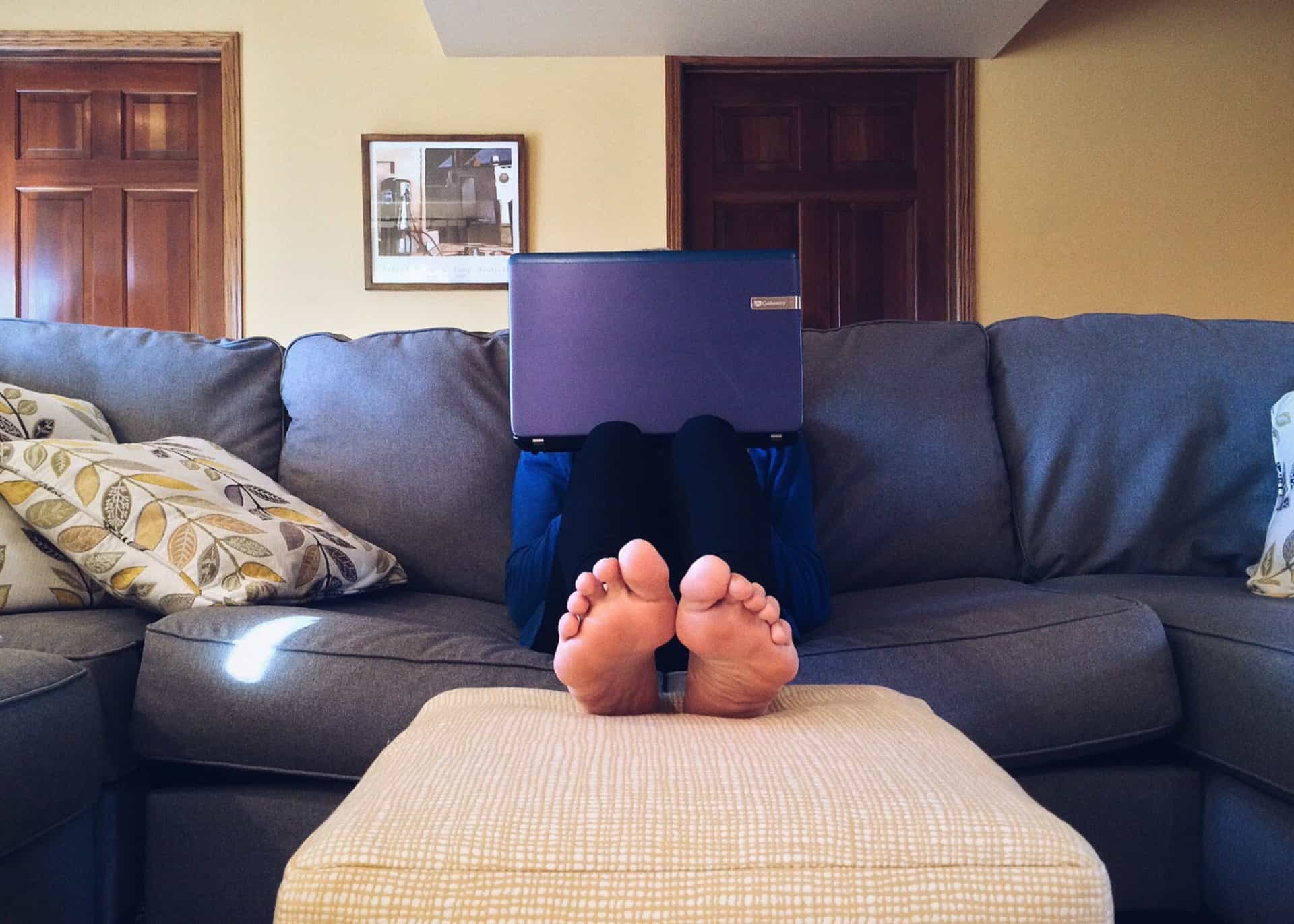
Put your feet up above hip level when you can, avoid standing still for long stretches, wear graduated compression socks put on before you get out of bed, keep drinking fluids, keep moving, and wear shoes that fit the feet you have now. Reducing your fluid intake does not help and is not recommended. Sudden or severe swelling, especially of the face or hands, or swelling in one leg only, needs contacting your provider.
Why it happens
Two mechanical reasons, both normal. Your blood volume increases substantially in pregnancy, so there is simply more fluid in circulation. And the growing uterus presses on the large veins returning blood from your legs, which slows that return.
Fluid therefore pools in the lowest part of you. That is why it is worse at the end of the day, worse in heat, worse after standing, and better in the morning. The NHS lists swollen ankles, feet and fingers as a common and usually normal part of pregnancy, and MedlinePlus covers the related tendency toward varicose veins, which has the same mechanical cause.
What actually helps
- Elevate above hip level. Feet on a footstool is better than nothing; feet up on the arm of the sofa or against a wall while you lie down is better. The height matters more than the duration.
- Compression socks, put on before you get out of bed. This is the single most effective purchase, and the timing is half of why it works — applying compression before the fluid has pooled beats applying it afterward. See the compression sock comparison.
- Do not stand still. Standing in one place is worse than walking, because the calf muscles pumping is part of what moves blood upward. If your job involves standing, shifting your weight and moving every few minutes genuinely helps.
- Keep drinking. Counter-intuitively, drinking less makes fluid retention worse rather than better. You need the fluid.
- Move your ankles. Circling your feet and flexing your ankles while sitting pumps fluid upward. Free, and more effective than it sounds, especially on a long journey.
- Lie on your side. Side-lying reduces the pressure on the large veins compared with lying flat.
- Stay cool. Heat makes swelling worse. Cool water on your feet, or swimming, both help — and swimming has the additional benefit that the water pressure itself acts like compression.
- Buy shoes that fit now. Feet genuinely get bigger in pregnancy, and some people never fully go back. Cramming swollen feet into shoes that no longer fit makes everything worse, and this is not the moment for loyalty to a shoe size.
What does not help
- Drinking less. Reduces nothing and risks dehydration.
- Cutting salt drastically. Severe restriction is not recommended in pregnancy. Eating sensibly is fine; dramatic restriction is not the lever people think.
- Diuretics, including herbal ones marketed for water retention. Do not take anything for swelling without asking your provider.
- Tight socks that are not graduated compression. A sock with a tight band at the top and no gradient can make things worse by constricting return flow.
When swelling needs a phone call
This is the part that matters most, because swelling is usually benign and occasionally is not.
Contact your provider urgently if you have:
- Sudden or severe swelling, particularly of your face or hands
- Swelling with a headache, visual changes, or pain under your ribs — that combination can indicate preeclampsia, which ACOG describes as needing prompt assessment
- Swelling in one leg only, especially with pain, warmth or redness in the calf — this needs urgent assessment for a clot
- Chest pain or breathlessness
- Swelling that is not improving overnight at all
The one-sided calf one is the most commonly rationalized and the one to take most seriously. Do not put a compression sock on a painful, swollen single calf and wait to see what happens.
Does it go after the birth?
Yes, usually over the first week or two, and often with a period of frequent urination and night sweats as your body sheds the extra fluid. Swelling can briefly get worse in the first days after birth before it improves, which surprises people.
Swelling that is worsening rather than improving in the postpartum weeks, or that comes with a headache, visual changes or feeling unwell, needs contacting your provider — preeclampsia can occur after birth as well as before it.
Every pick, in detail
Scores below are ours. They come from the published specification sheets and from the patterns in what buyers consistently report — not from wearing these ourselves.
Top pick · The one purchase that genuinely helps
8.7/10Momcozy Pregnancy Compression Socks 15-20mmHg Wide Calf
Graduated compression is the measure with the clearest mechanism here, and 15-20 mmHg in a wide-calf cut is where most people should start. Put them on before you get out of bed, when swelling is lowest.
- Compression
- 15-20 mmHg
- Calf
- Wide-calf cut
- Height
- Knee high
- Toe
- Closed
What works
- Supports the veins against gravity, which is the actual mechanism
- 15-20 mmHg is the right starting band
- Wide calf, which pregnancy needs
- Easier to get on than firmer socks
What it gives up
- Not enough for heavy swelling
- Warm in summer
- Loses elasticity over months
- Fiddly to put on late on
Skip it ifyour provider has suggested firmer compression.
#ad · affiliate link · prices live on Amazon, checked October 13, 2026
Pick 2 · Long days standing, in warm weather
8.4/10LEVSOX Cotton Compression Socks 20-30mmHg Knee High
Firmer compression for heavier swelling, in cotton, which is what makes a 20-30 mmHg sock tolerable in summer. Worth checking with your provider before moving up to this band.
- Compression
- 20-30 mmHg
- Fabric
- Cotton-rich
- Height
- Knee high
- Use
- Nursing shifts, travel, pregnancy
What works
- 20-30 mmHg for heavier swelling
- Cotton-rich, cooler than synthetic
- Holds compression well over months
- Knee high
What it gives up
- Harder to get on
- Worth asking your provider first
- Loses shape slightly through a day
- Pricier
Skip it ifyou have not tried 15-20 mmHg yet.
#ad · affiliate link · prices live on Amazon, checked October 13, 2026
Questions people actually ask
How do you reduce swollen feet in pregnancy?
Elevate them above hip level when you can, wear graduated compression socks put on before you get out of bed, avoid standing still for long stretches, keep moving your ankles, and stay cool.
Keep drinking fluids — drinking less makes retention worse rather than better.
Should I drink less water if my feet are swollen?
No. That is one of the commonest misconceptions about pregnancy swelling. Drinking less does not reduce the swelling and risks dehydration.
The fluid is pooling because of circulation and pressure on the veins returning blood from your legs, not because you are drinking too much.
Do compression socks help pregnancy swelling?
Yes, and they are the measure with the clearest mechanism: graduated compression supports the vein walls and helps blood move upward rather than pooling.
Put them on before you get out of bed, when swelling is lowest. Applying compression before the fluid has pooled is half of why it works.
Will my feet go back to normal after pregnancy?
The swelling usually resolves over the first week or two after birth, often with a period of frequent urination and night sweats as your body sheds the extra fluid.
Shoe size does not always go fully back. Some people's feet stay permanently slightly larger, which is normal rather than a problem.
When is swelling in pregnancy dangerous?
Sudden or severe swelling, especially of your face or hands, needs urgent advice — particularly with a headache, visual changes or pain under your ribs, because that combination can indicate preeclampsia.
Swelling in one leg only, especially with calf pain, warmth or redness, needs urgent assessment for a clot.
Is it normal for swelling to get worse just after birth?
It can briefly, which surprises people, before it improves over the following week or two.
Swelling that is worsening rather than improving in the postpartum weeks, or that comes with a headache, visual changes or feeling unwell, needs contacting your provider — preeclampsia can occur after birth as well as before.
Sources
- NHS. Swollen ankles, feet and fingers in pregnancy
- MedlinePlus, US National Library of Medicine. Varicose Veins
- American College of Obstetricians and Gynecologists. Preeclampsia and High Blood Pressure During Pregnancy
- NHS. Exercise in pregnancy
- American College of Obstetricians and Gynecologists. Exercise During Pregnancy
Who wrote this
Selena H.
Selena owns Bump & Bolster and researches and writes every page herself. She built the site around the problems pregnancy throws at you in the order they arrive: sleep first, then pain, then nothing fitting, then recovery.