Best Postpartum Shapewear
Research-backed picks across fajas, shaping shorts and compression leggings, ranked on wearable compression, whether they clear a C-section incision, and what each one is honestly for.
| # | Pick | Best for | Score | Price |
|---|---|---|---|---|
| 1 |  SHAPERX Fajas Colombianas Postpartum Tummy Control Bodysuit (SZ7200)Full-body faja bodysuit, bust to thigh, firm compression knit | The default pick: firm all-over compression under clothes | 9.0/10 | |
| 2 |  Werena Seamless Shaping Boyshorts Slip ShortsSeamless light-compression slip short with laser-cut edges | The budget pick: light, all-day, under everything | 8.8/10 | |
| 3 |  Ingrid & Isabel Basics Postpartum Compression LeggingsHigh-rise postpartum compression legging from a maternity brand | Daytime support you can wear as actual clothes | 8.7/10 | |
| 4 |  Nebility Fajas Colombianas Moldeadoras Shapewear Tummy ControlTorso faja with tummy-control compression knit | Firm compression without committing to a bodysuit | 8.4/10 | |
| 5 | 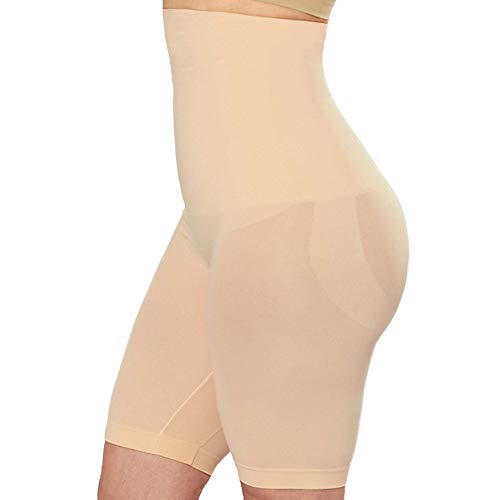 SHAPERMINT High Waisted Shapewear Shorts, Tummy ControlHigh-waisted shaping short, anti-slip hem, S to 4XL | Smoothing under a dress across a wide size range | 8.3/10 |
Rows link to the full write-up below. Scores are ours, from published specs and what buyers consistently report — we have not worn these.
By Selena H. · Last reviewed: November 2026
As an Amazon Associate, we earn from qualifying purchases. We do not set prices: the figure in each button is Amazon’s own, as of the date shown, and Amazon is authoritative when you click. How this site is funded.
This is general information, not medical advice. Talk to your midwife, OB or GP about your own symptoms. Severe or sudden pain, bleeding, a fever, or regular contractions before 37 weeks need a call to your provider now — before you buy anything.
The short answer
Buy the SHAPERX faja bodysuit if you want firm, continuous compression under clothes, and the Werena seamless slip short as the budget pick — the one most people actually wear every day, because it goes on without a fight and nothing digs in. If you would rather not wear shapewear under clothes at all, the Ingrid & Isabel compression leggings do the support job as the garment itself.
What postpartum shapewear is for, and what it is not
It is worth being plain about this, because the category is sold badly. Shapewear after a baby does two things reliably. It makes a soft, unfamiliar middle feel held together, which a lot of people find genuinely steadying in the weeks when nothing about their body feels like theirs. And it makes clothes sit the way they used to, which is why most people buy it before an event rather than for recovery.
What it does not do is change your body. Compression does not shrink an abdomen, close a separation in the abdominal muscles, or speed up the uterus returning to size. Those things happen on their own schedule, and the garment on top of them is doing nothing to the schedule. Any listing claiming otherwise is selling you a result that it cannot deliver, and our page on whether postpartum belly wraps work goes through the evidence properly.
There is a second thing worth knowing: very firm compression worn constantly pushes downward as well as inward, and for anyone with pelvic floor symptoms — leaking, heaviness, a dragging sensation — that is the wrong direction. If any of those apply to you, raise it with your provider or a pelvic health physiotherapist before you buy firm shapewear, not after.
Which garment, for which job
A faja or full bodysuit
Firm, continuous compression with no edges to roll. The most effective thing here for looking smooth under tailored clothes, and the least practical to live in. Buy one if you have a specific occasion or you want the held-together feeling for a few hours a day. Our postpartum faja roundup goes deeper on the firm end, and belly binder versus faja explains the difference from the medical binders you may have been given in hospital.
Shaping shorts
The practical everyday answer, and the one that solves thigh chafing as well as smoothing. Light seamless shorts for daily wear, firmer high-waisted shorts with a grip hem for an event. The postpartum compression shorts page covers that category on its own.
Compression leggings
Support worn as clothes rather than under them, which for most people in the first months is the difference between a garment that gets used and one that does not. Less firm, far more wearable. More on postpartum compression leggings.
A medical binder
Not shapewear, and worth separating out. A soft abdominal binder is what hospitals use after a C-section, and its job is supporting an incision and making it less painful to move, not shaping. If that is what you need, the belly wrap roundup is the right page and this one is not.
Timing: when to start wearing it
Not in the first fortnight. In the early days after any birth, the useful garment is a soft binder or nothing, and firm compression over a body that is still bleeding, swollen and sore does not help and can hurt. After a C-section, nothing with a firm edge should sit across the incision at all until it has healed and your provider is happy — which in practice means around six weeks for most people, and the six-week check is the right moment to ask.
From six weeks or so, shapewear is a clothing decision rather than a recovery decision, and the right amount is however much you want to wear. Most people find they want firm compression for occasions and light compression daily, which is why the two picks at the top of this page are at opposite ends of the firmness range. Our postpartum recovery timeline sets out the weeks in order, and how long to wear a belly wrap after birth covers the daily ceiling.
Sizing, which is where most of the regret comes from
Size on your current measurements, not your pre-pregnancy ones and not the ones you are hoping for. Shapewear bought a size small does not work harder, it rolls, digs and creates exactly the ridges you bought it to avoid, and it is the main reason an expensive faja ends up unworn. Most brands here size on waist and hip; measure both at the widest point, standing, without pulling the tape.
Two practical notes. First, your size will change over the following months, so buying several firm garments at six weeks is how people end up with a drawer of things that no longer fit — buy one, then reassess. Second, breathable fabric matters more than the listing suggests: compression plus a warm synthetic knit plus a body that is already running hot from feeding is a combination that produces skin irritation, so take it off in the evening and wash it often.
If what you actually want is to feel comfortable rather than shaped, the honest answer is that most people get more out of soft high-waisted underwear and good leggings than out of shapewear, and our postpartum comfortable clothes page is the better starting point.
Every pick, in detail
Scores below are ours. They come from the published specification sheets and from the patterns in what buyers consistently report — not from wearing these ourselves.
Top pick · The default pick: firm all-over compression under clothes
9.0/10SHAPERX Fajas Colombianas Postpartum Tummy Control Bodysuit (SZ7200)
The one to buy if you want the thing people actually mean by postpartum shapewear: firm, continuous compression from the bust to the thigh that makes a soft, unfamiliar middle feel held together when you get dressed. A full bodysuit is better at that than any separate garment, because there is no waistband edge to roll and no gap where one piece ends and the next begins — and a rolled edge is the single most common reason shapewear gets taken off at lunchtime. It is the Colombian-style faja construction, which means firm rather than gentle. Three honest limits: getting into it is a project, going to the bathroom in a bodysuit with a zipper crotch is a slower process than it sounds, and firm compression is not what the first two weeks after a birth want, whatever the listing implies.
- Style
- Full-body shaper bodysuit
- Coverage
- Bust through thigh
- Listed
- Postpartum and compression garment
- Fabric
- Firm compression knit
What works
- Continuous compression with no waistband to roll
- Bust-to-thigh coverage, so nothing is left to bulge at an edge
- Firm enough to genuinely change how clothes sit
- Zipper crotch means you do not undress completely
What it gives up
- A genuine effort to get into and out of
- Bathroom trips are slower than with separates
- Too firm for the first couple of weeks after the birth
- Warm against skin over a full day
Skip it ifyou are in the first fortnight after a birth or a C-section — a soft binder or nothing is the right answer then.
| Compression you can wear for hours | 7.8 |
|---|---|
| Clears a C-section incision | 6.0 |
| Invisible under clothes | 9.0 |
| Gets on and off without help | 5.5 |
| Breathes against skin | 6.5 |
| Useful beyond the first months | 8.5 |
#ad · affiliate link · price as of November 28, 2026
Pick 2 · The budget pick: light, all-day, under everything
8.8/10Werena Seamless Shaping Boyshorts Slip Shorts
The budget pick and the one most people will actually wear every day. Laser-cut seamless edges are the detail that matters: there is no hem to dig in, no seam to print through a dress and nothing to roll, which is what makes a light short wearable for ten hours when a firm one is not. Light compression is also the right level for most postpartum purposes — the point is usually to feel smooth and held rather than to be reshaped, and a garment you can put on without a fight at seven in the morning does more for you than a firm one in a drawer. It solves thigh chafing, which is a genuine and under-discussed postpartum problem in the months when you are walking more and your body has changed shape. What it will not do is hold anything in.
- Type
- Seamless slip short
- Seams
- Seamless, laser-cut edges
- Compression
- Light
- Use
- All-day wear under clothes
What works
- Laser-cut seamless edges — nothing digs in or prints through
- Light enough to wear all day without thinking about it
- Solves thigh chafing under dresses
- The lowest price on this page
What it gives up
- Light compression only — no real shaping
- No abdominal support at all
- Seamless knits lose their grip faster than panelled shapewear
- Short leg rides up on some body shapes
Skip it ifyou want the held-together feeling across your abdomen — this is a smoothing short, not support.
| Compression you can wear for hours | 9.5 |
|---|---|
| Clears a C-section incision | 9.0 |
| Invisible under clothes | 9.5 |
| Gets on and off without help | 9.5 |
| Breathes against skin | 8.5 |
| Useful beyond the first months | 9.0 |
#ad · affiliate link · price as of November 28, 2026
Pick 3 · Daytime support you can wear as actual clothes
8.7/10Ingrid & Isabel Basics Postpartum Compression Leggings
The pick if you would rather wear one garment than wear shapewear under a garment. These are compression leggings designed by a maternity specialist for the early postpartum months, which means the rise is high enough to support the abdomen properly and the compression is calibrated for a body that is recovering rather than for a gym. Worn as leggings they do the support job invisibly, which solves the real problem with shapewear: it is an extra layer to put on, in a season of life with no spare minutes. That is why this ranks above firmer, cheaper garments. The limits are price and specificity. They cost more than general shapewear, the compression is moderate rather than firm, and like all leggings they are warm and they will eventually bag at the knee.
- Type
- Postpartum compression legging
- Rise
- High, over the abdomen
- Brand
- Maternity specialist
- Use
- Daytime support in the early months
What works
- Worn as clothes, so there is no extra layer to manage
- High rise gives genuine abdominal support
- Compression calibrated for recovery rather than for shaping
- Maternity specialist brand with a real size chart
What it gives up
- Moderate rather than firm compression
- The priciest pick here
- Warm, like any legging
- Will bag at the knee with heavy wear
Skip it ifyou need firm compression under tailored clothes — a faja does that and a legging cannot.
| Compression you can wear for hours | 9.3 |
|---|---|
| Clears a C-section incision | 7.5 |
| Invisible under clothes | 7.0 |
| Gets on and off without help | 8.5 |
| Breathes against skin | 7.0 |
| Useful beyond the first months | 9.3 |
#ad · affiliate link · price as of November 28, 2026
Pick 4 · Firm compression without committing to a bodysuit
8.4/10Nebility Fajas Colombianas Moldeadoras Shapewear Tummy Control
The sensible middle route into firm compression. It is a faja-style torso shaper rather than a full bust-to-thigh bodysuit, which means you get the firm abdominal compression that people buy fajas for while keeping the practical advantages of a separate garment: you can get into it alone, you can use a bathroom without a procedure, and you can take it off at the end of the day without a fight. For most people that trade is correct, and it is why this is the faja to start with rather than the full bodysuit. The limits follow from the shape. A torso garment has two edges, and edges roll — the bottom hem in particular will migrate over a day of sitting and standing. It is also firm enough to be uncomfortable over a fresh incision.
- Style
- Body shaper faja
- Focus
- Tummy control
- Coverage
- Torso
- Fabric
- Compression knit
What works
- Firm abdominal compression in a garment you can manage alone
- Bathroom trips are normal rather than a procedure
- Cheaper than a full bodysuit faja
- Easy to take off when you have had enough
What it gives up
- The bottom hem rolls over a day of sitting and standing
- Nothing above the bust or below the hip, so edges can show
- Too firm over a healing incision
- Warm against skin
Skip it ifyou want nothing to show under a close-fitting dress — a full bodysuit has no edges to print through.
| Compression you can wear for hours | 8.3 |
|---|---|
| Clears a C-section incision | 6.3 |
| Invisible under clothes | 7.5 |
| Gets on and off without help | 8.3 |
| Breathes against skin | 6.8 |
| Useful beyond the first months | 8.3 |
#ad · affiliate link · price as of November 28, 2026
Pick 5 · Smoothing under a dress across a wide size range
8.3/10SHAPERMINT High Waisted Shapewear Shorts, Tummy Control
The pick for getting dressed for something. A high-waisted short with a silicone anti-slip hem is the straightforward answer to the two things that go wrong under a dress: the waistband rolling down and the leg hem riding up, and the grip strip deals with the second of those better than any seamless short can. The size range to 4XL is genuinely useful here, because postpartum bodies span a much wider range than standard shapewear sizing assumes, and buying something that nearly fits is how people end up with a garment that hurts. It sits below the lighter short because the compression is firmer and the construction more panelled, which is more effective for an evening and less wearable for a full day. Treat it as the dress-up garment rather than the everyday one.
- Type
- Shapewear short
- Control
- High-waisted tummy control, thigh smoothing
- Grip
- Anti-slip silicone hem
- Use
- Under dresses; thigh chafing
- Size range
- S-4XL
What works
- Silicone hem stops the leg riding up under a dress
- High waist smooths rather than creating a shelf
- Sized S to 4XL, which standard shapewear often is not
- Firmer shaping than a seamless short
What it gives up
- Firmer construction is less comfortable over a whole day
- Silicone grip can irritate sensitive skin
- Panelled seams can print through a thin dress
- No abdominal support above the waist
Skip it ifyou want something to live in daily — a seamless light short is the one you will keep wearing.
| Compression you can wear for hours | 7.8 |
|---|---|
| Clears a C-section incision | 8.3 |
| Invisible under clothes | 8.0 |
| Gets on and off without help | 9.0 |
| Breathes against skin | 7.3 |
| Useful beyond the first months | 8.8 |
#ad · affiliate link · price as of November 28, 2026
Pick 6 · A very high waistband that stays where you put it
8.1/10AKARA Postpartum Tummy Control Leggings No Roll Down
The pick if your complaint about every legging you own is that the waistband rolls down. A three-tier high waistband is a structural answer rather than a stretchier one: the bands sit at different levels so the whole thing cannot fold over itself, which is the specific failure that makes a high-rise legging into a mid-rise legging by mid-morning. Over a postpartum abdomen that matters more than usual, because the roll happens exactly where you are softest and least keen on a ridge. The pockets are a genuine convenience when you are carrying a baby and a phone. Where it loses ground: the compression is shaping rather than therapeutic, it is a thicker waistband and therefore warmer and more visible under a fitted top, and it is a legging, so it is clothes rather than underwear.
- Waistband
- Three-tier high waist, does not roll down
- Pockets
- Two
- Use
- Everyday postpartum
- Rise
- Very high
What works
- Three-tier waistband genuinely does not roll down
- Very high rise covers and supports the whole abdomen
- Two working pockets
- Worn as clothes, so no extra layer to manage
What it gives up
- Shaping compression rather than therapeutic support
- Thick waistband shows under a fitted top
- Warm across a full day
- Not suitable under a dress the way a short is
Skip it ifyou need medical-grade compression for swelling — that is a different garment entirely.
| Compression you can wear for hours | 8.8 |
|---|---|
| Clears a C-section incision | 7.3 |
| Invisible under clothes | 6.5 |
| Gets on and off without help | 8.8 |
| Breathes against skin | 7.0 |
| Useful beyond the first months | 9.0 |

#ad · affiliate link · price as of November 28, 2026
Questions people actually ask
When can I start wearing postpartum shapewear?
Not in the first two weeks. Early on, a soft abdominal binder or nothing is the right garment, and firm compression over a sore, swollen body does not help.
After a C-section, keep anything with a firm edge off the incision until it has healed and your provider is happy — usually around the six-week check.
Does postpartum shapewear help you lose the belly?
No. Compression changes how clothes sit while you are wearing it. It does not shrink tissue, close abdominal separation or speed up the uterus returning to size.
What it does reliably is make a soft middle feel held together, which many people find genuinely steadying. That is a real benefit and it is a different claim.
How many hours a day can I wear it?
Light compression can be worn all day comfortably. Firm fajas and bodysuits are better used for a few hours or for a specific occasion.
Take it off in the evening, and do not sleep in firm compression. Skin needs the break, especially if you are running warm from feeding.
Is shapewear safe for your pelvic floor?
Very firm compression worn constantly pushes downward as well as inward, which is the wrong direction if you have any pelvic floor symptoms.
If you are leaking, feeling heaviness or a dragging sensation, speak to your provider or a pelvic health physiotherapist before buying firm shapewear.
What is the difference between shapewear, a faja and a belly binder?
A belly binder is a soft medical garment for supporting an incision or a sore abdomen, and it is not designed to shape anything.
A faja is firm Colombian-style compression that shapes. General shapewear sits between the two. They solve different problems and are not interchangeable.
What size postpartum shapewear should I buy?
Your current measurements, taken standing, at the widest point of waist and hip. Shapewear bought small does not work harder — it rolls and digs.
Buy one garment rather than several, because your size will keep changing over the following months.
Sources
- NHS. Your post-pregnancy body
- American College of Obstetricians and Gynecologists. Postpartum Pain Management
- MedlinePlus, US National Library of Medicine. Losing weight after pregnancy
Who wrote this
Selena H.
Selena owns Bump & Bolster and researches and writes every page herself. She built the site around the problems pregnancy throws at you in the order they arrive: sleep first, then pain, then nothing fitting, then recovery.