Best Maternity Coats
Research-backed picks for the one winter you need them, ranked on warmth, babywearing conversion and whether the coat earns its money over ten weeks of wear.
| # | Pick | Best for | Score | Price |
|---|---|---|---|---|
| 1 | 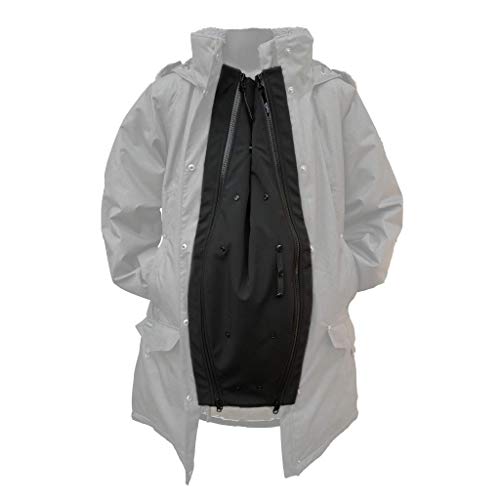 Make My Belly Fit Coat and Jacket Extender for Maternity and BabywearingZip-in panel that widens a coat you already own | Almost everyone, and certainly anyone due in spring | 9.2/10 | |
| 2 |  Modern Eternity Sofia Maternity Winter Parka Coat with 3-in-1 TechLong hooded parka, removable 3-in-1 panel | A genuinely cold winter, and a second use as a babywearing coat | 9.0/10 | |
| 3 |  Modern Eternity Harper Maternity Cocoon Puffer Coat with 3-in-1 TechCocoon-cut quilted puffer, removable 3-in-1 panel | Cold dry weather and a shape that does not look maternity | 8.7/10 | |
| 4 |  Motherhood Maternity Quilted Pregnancy Long Puffer JacketLong quilted puffer cut for a bump, no removable panel | A warm winter coat from a mainstream maternity label | 8.4/10 | |
| 5 | Modern Eternity Lexie Waterproof Maternity Coat with 3in1 Extender PanelWaterproof shell with a removable extender panel | Wet climates and mild winters where rain is the real problem | 8.2/10 |
Rows link to the full write-up below. Scores are ours, from published specs and what buyers consistently report — we have not worn these.
By Selena H. · Last reviewed: November 2026
As an Amazon Associate, we earn from qualifying purchases. We do not set prices: the figure in each button is Amazon’s own, as of the date shown, and Amazon is authoritative when you click. How this site is funded.
The short answer
Buy a coat extender before you buy a maternity coat. A panel that zips into the jacket you already own fixes the actual problem — the coat will not close — for a small fraction of the price, and it works again over a baby carrier next winter. Buy an actual maternity coat in three situations: you face a real winter outdoors, you will still be carrying a baby next winter, or your current coat has no zip for a panel to attach to. If you do buy one, buy a 3-in-1 with a removable panel, because it is the only version that is still useful when the pregnancy is over.
Why the coat is the worst value in maternity clothing
Work out the months. A coat only becomes necessary once the bump stops your existing one closing, which for most people is somewhere in the second half of pregnancy, and it stops being necessary the day the baby arrives. Line that up with the calendar and a great many people are buying the most expensive garment in their maternity wardrobe for eight to twelve weeks of wear. A pair of fleece-lined leggings bought in the same week will be worn four days a week for four months and then again next winter.
It gets worse afterward, because a coat cut for a bump does not quietly become a normal coat. The extra width is built into the front panels, so after the birth it either hangs open and shapeless or flaps in the wind. That is the specific reason the 3-in-1 designs exist and the specific reason they are worth the premium over a plain maternity coat: take the panel out and you have a regular coat; put it back in and you have a babywearing coat for the following winter. One garment, three phases, which is a completely different value calculation from one garment, ten weeks.
None of this means you should be cold. It means the order of purchase matters. Fix the closure problem cheaply, spend the money on the layers you wear daily, and only buy a coat outright when the climate or the second winter justifies it. Our winter pregnancy clothing guide works through the whole outfit in that order.
How we picked
We set the criteria before looking at any product. An option earns a place here if it gives real room at the front rather than just more fabric everywhere, if it is warm enough for the winter it claims to be for, if it converts for babywearing or at least survives into ordinary use afterward, if it handles rain and wind or is honest that it does not, if it has a life beyond this pregnancy, and if what you pay is reasonable for the number of months you will actually wear it. That last criterion is why the cheapest item on the page is also the top pick.
Every product was checked against a live listing, so nothing here is discontinued or invented, and we have not worn any of them. Specifications are read off the published listing rather than measured by us. One thing worth saying plainly about this category: genuine maternity outerwear is made by a small number of brands, and most of what a search returns is an unbranded marketplace jacket or a fleece hoodie described as a coat. We have included fleece options because they are genuinely useful in fall, and labeled them as what they are rather than as winter coats.
The buying guide
Match the coat to your due date, not to the season you are shopping in
This is the decision that saves the most money. Count the weeks between the point your current coat stops closing — usually somewhere around 24 to 30 weeks, earlier if you are carrying wide — and your due date, then ask how many of those weeks are actually cold where you live. A December baby means a real winter in a maternity coat. An April baby means a few cold weeks in a coat you will never wear again, and an extender is plainly the better answer.
3-in-1 is the only version that makes the money back
A removable panel turns one purchase into three garments: a maternity coat now, a normal coat in between, and a babywearing coat next winter. That third use is the one people underestimate. Getting out of the house with a newborn in a carrier in February is genuinely difficult if your coat does not close over the two of you, and the alternatives — a blanket draped over the carrier, or your coat open in the cold — are worse than they sound. If you are buying a coat at all, buy this kind.
Length matters more than thickness
A bump pushes a coat forward and up, which lifts the hem at the front and exposes the lower back at exactly the point where it already aches. A long coat solves that; a thicker short one does not. If you are choosing between two coats and one is warmer but shorter, take the longer one and put a layer underneath.
Buy for layers, not for one perfect temperature
Pregnancy changes how you experience temperature, and not in one direction: plenty of people are too warm indoors and still cold outside, and that gap widens in the third trimester. A single very warm coat is miserable on the bus and on the shop floor. A shell over a fleece lets you shed a layer, and the ability to shed a layer is worth more in practice than another ounce of insulation. Overheating is worth taking seriously during pregnancy generally, which is the reason national exercise guidance warns against it — the same logic applies to a coat you cannot take off easily.
Sizing: do not size up a maternity coat
Maternity cuts already contain the bump allowance, so ordering a size up gives you a coat that is too big in the shoulders and still wrong at the front. Order your usual size. The opposite rule applies to a regular coat you are buying deliberately oversized: there, two sizes up is often the right call, and you accept long sleeves in exchange for a coat that fits next year. Our guide to when maternity clothes become necessary covers the timing side of the same question.
Check the zip before you order an extender
An extender panel attaches along the existing zip, so the one thing to do before buying is look at your coat. A standard separating zip is fine. A button-front wool overcoat, a double-ended zip on a ski jacket or an unusually short zip can all be awkward, and it is a five-second check that avoids the only real failure mode of the cheapest option on this page.
Boots, not more coat
One last piece of spending advice, because it comes up every winter: if you are cold on a walk and your coat is adequate, the problem is usually your feet and your legs, not your torso. Fleece-lined maternity leggings and proper socks fix more winter discomfort per dollar than upgrading a coat does, and compression socks deal with the swelling that cold makes worse.
What to do after the birth
If you bought an extender or a 3-in-1, you already have the answer: the panel goes back in and the coat closes over you and the carrier. If you bought a plain maternity coat, the practical options for a cold postpartum winter are a babywearing cover over your own coat, or wearing the carrier under an oversized coat left unzipped at the top. Neither is elegant and both work. For the rest of the wardrobe at that stage, our postpartum comfortable clothes roundup covers what actually gets worn in the first months.
Every pick, in detail
Scores below are ours. They come from the published specification sheets and from the patterns in what buyers consistently report — not from wearing these ourselves.
Top pick · Almost everyone, and certainly anyone due in spring
9.2/10Make My Belly Fit Coat and Jacket Extender for Maternity and Babywearing
The top pick, and it is not a coat. An extender is a panel that zips into the front of a jacket you already own and gives it the extra width a bump needs, which solves the actual problem — the coat will not close — for a fraction of what a maternity coat costs. It is the right answer for most people for a simple reason: you need this for one winter, often for ten weeks of one winter, and a coat bought for that stops fitting the moment it is over. The extender does not. After the birth it opens the same coat up over a carrier, which is the other time your outerwear suddenly does not fit.
- Type
- Universal coat extender panel, not a coat
- Use
- Adds bump or carrier room to a coat you already own
- Fit
- Zips into an existing jacket
- Reuse
- Works again for babywearing after the birth
What works
- Costs a small fraction of a coat and fixes the coat you already like
- Works again for babywearing, so it is useful across two different phases
- Nothing to outgrow and nothing to store afterward
- Keeps you in a coat that already suits your climate and your wardrobe
What it gives up
- Needs a jacket with a compatible zip — check yours before ordering
- The seam where the panel meets the coat is visible and does not pretend otherwise
- Adds width at the front only, so a coat that is tight across the back stays tight
- Fiddly the first time you fit it
Skip it ifyour only coat is a wool overcoat with buttons and no zip, or you want one garment that looks designed rather than adapted.
| Room for the bump | 8.5 |
|---|---|
| Warmth in a real winter | 8.0 |
| Converts for babywearing | 9.3 |
| Rain and wind | 7.5 |
| Life after this pregnancy | 9.5 |
| Worth it for the months you get | 9.8 |
#ad · affiliate link · price as of November 28, 2026
Pick 2 · A genuinely cold winter, and a second use as a babywearing coat
9.0/10Modern Eternity Sofia Maternity Winter Parka Coat with 3-in-1 Tech
If you are going to buy a real maternity coat, this is the shape to buy: a long hooded parka with a zip-in panel that comes out, so the coat has three lives rather than one. Pregnant, the panel goes in and the coat closes over the bump. With a newborn in a carrier, the panel goes back in and the coat closes over both of you, which is the part that makes a maternity coat defensible — it stops being a ten-week garment and becomes a two-winter one. Without the panel it is an ordinary long parka. Length is doing real work here too: a coat that stops above the bump leaves your lower back cold.
- Style
- Long hooded winter parka
- 3-in-1
- Removable panel: pregnancy, babywearing, regular wear
- Season
- Deep winter
- Panel
- Zip-in maternity and babywearing extender
What works
- Panel comes out, so the coat survives as normal outerwear afterward
- Babywearing use is the thing that makes the purchase make sense
- Long cut covers the lower back, which short maternity coats do not
- Hood and parka construction suit actual winter rather than a mild one
What it gives up
- The most expensive way to solve this problem
- Heavy, and heavier again with a baby inside it
- The panel seam is visible when it is zipped in
- Overkill if your winter is mild or your bump arrives in March
Skip it ifyou are due in spring, or you have a perfectly good coat that an extender would fix.
| Room for the bump | 9.5 |
|---|---|
| Warmth in a real winter | 9.5 |
| Converts for babywearing | 9.5 |
| Rain and wind | 8.5 |
| Life after this pregnancy | 8.8 |
| Worth it for the months you get | 7.5 |
#ad · affiliate link · price as of November 28, 2026
Pick 3 · Cold dry weather and a shape that does not look maternity
8.7/10Modern Eternity Harper Maternity Cocoon Puffer Coat with 3-in-1 Tech
The same 3-in-1 idea in a cocoon-cut puffer, which is worth knowing about because the silhouette is the thing most people dislike about maternity outerwear. A cocoon shape is rounded by design, so a bump reads as part of the cut rather than as a coat straining over something. Quilted down-style construction is warm for its weight, which matters when you are already carrying more than usual. It handles cold better than wet — this is a dry-winter coat, and in persistent rain a waterproof shell is the better buy.
- Style
- Cocoon-cut quilted puffer
- 3-in-1
- Removable panel: pregnancy, babywearing, regular wear
- Season
- Cold, dry winter
- Shape
- Rounded cocoon silhouette over the bump
What works
- Cocoon cut makes the bump look intentional rather than squeezed in
- Warm for its weight, which matters in late pregnancy
- Panel removes, so it keeps working after the birth
- Quilted finish is less bulky than a traditional parka
What it gives up
- Quilting is not weatherproof in sustained rain
- The rounded shape is divisive and some people simply dislike it
- Short enough to leave the lower back exposed on a windy day
- Expensive for a garment you may wear one season
Skip it ifyou live somewhere wet — this is built for cold, not for rain.
| Room for the bump | 9.3 |
|---|---|
| Warmth in a real winter | 9.0 |
| Converts for babywearing | 9.0 |
| Rain and wind | 6.5 |
| Life after this pregnancy | 8.5 |
| Worth it for the months you get | 7.3 |
#ad · affiliate link · price as of November 28, 2026
Pick 4 · A warm winter coat from a mainstream maternity label
8.4/10Motherhood Maternity Quilted Pregnancy Long Puffer Jacket
The straightforward one: a long quilted puffer cut wider at the front, from a maternity label most people have heard of, at a price well below the convertible coats. There is no removable panel, which means no babywearing conversion and no second life as a regular coat — this is a maternity coat and it stays one. For somebody who wants a warm, long, normal-looking winter coat for this pregnancy without an engineering project, that is a reasonable trade, and the length is genuinely useful on a cold day.
- Style
- Long quilted puffer cut for a bump
- Panel
- None — the cut itself is the maternity shaping
- Season
- Cold winter
- Brand
- Mainstream maternity label
What works
- Long enough to cover the lower back and the top of the thighs
- Looks like an ordinary puffer rather than a maternity product
- Noticeably cheaper than the 3-in-1 coats here
- Mainstream maternity sizing, which is more predictable than marketplace brands
What it gives up
- No removable panel, so it does not convert for babywearing
- Cut for a bump, which means it will not fit properly afterward
- Quilted shell is shower-resistant at best
- Resale value is poor for exactly these reasons
Skip it ifyou want the coat to still be useful after the birth.
| Room for the bump | 9.0 |
|---|---|
| Warmth in a real winter | 8.8 |
| Converts for babywearing | 3.0 |
| Rain and wind | 6.8 |
| Life after this pregnancy | 4.0 |
| Worth it for the months you get | 7.8 |
#ad · affiliate link · price as of November 28, 2026
Pick 5 · Wet climates and mild winters where rain is the real problem
8.2/10Modern Eternity Lexie Waterproof Maternity Coat with 3in1 Extender Panel
The one for people whose winter is wet rather than freezing, which is most of the coastal and northwestern United States and a great deal of the country in March. A waterproof shell with a removable maternity panel is a different proposition from a puffer: less insulation, far better at keeping you dry, and designed to be layered over. That layering is the point — a shell plus a fleece underneath adapts across a much wider temperature range than a single thick coat, and it is easier to manage when pregnancy has made you run hot indoors and cold outdoors.
- Style
- Waterproof shell coat
- 3-in-1
- Removable extender panel
- Season
- Wet and mild to cold
- Shell
- Waterproof, per the listing
What works
- Waterproof shell is the right tool for rain, which quilting is not
- Layer underneath to set your own warmth rather than being stuck with one weight
- Panel removes for use afterward
- Lighter than the insulated coats here
What it gives up
- Not warm on its own — you need layers under it
- Shell fabrics rustle and are less comfortable than a soft quilted coat
- Still an expensive purchase for one pregnancy
- Fewer layers means less room before the panel is needed
Skip it ifyour winter is cold and dry — you would be buying rain protection you do not need and warmth you do not get.
| Room for the bump | 9.0 |
|---|---|
| Warmth in a real winter | 6.5 |
| Converts for babywearing | 9.0 |
| Rain and wind | 9.5 |
| Life after this pregnancy | 8.8 |
| Worth it for the months you get | 7.5 |

#ad · affiliate link · price as of November 28, 2026
Pick 6 · Fall, mild winters and the school run
8.0/10Smallshow Fleece Zip Up 3 in 1 Maternity Babywearing Hoodie Jacket
A fleece zip-up with the same insert-panel idea at a fraction of the price of a proper coat, and the sensible buy if your winter is mild or if you mainly need something to throw on for twenty minutes at a time. It is a hoodie rather than outerwear, so judge it as one: warm enough for a dry fall day or as a mid-layer under a shell, not enough on its own in January in the north. For the money it does something none of the cheap alternatives do, which is close properly over a bump and then over a carrier.
- Style
- Zip-up fleece hoodie jacket
- 3-in-1
- Insert panel for bump and babywearing
- Season
- Fall and mild winter, or a mid-layer
- Fabric
- Fleece
What works
- Cheapest garment here that genuinely converts for babywearing
- Fleece is comfortable enough to wear indoors and out
- Works as a mid-layer under a shell when it gets properly cold
- Easy to wash, which matters more than people expect with a newborn
What it gives up
- Not a winter coat — no wind or water resistance at all
- Fleece pills over a season of regular wear
- Marketplace sizing is less predictable than a mainstream label
- Hood is soft and offers no real weather protection
Skip it ifyou need one garment to get you through a cold winter outdoors.
| Room for the bump | 8.3 |
|---|---|
| Warmth in a real winter | 5.5 |
| Converts for babywearing | 8.8 |
| Rain and wind | 3.5 |
| Life after this pregnancy | 7.8 |
| Worth it for the months you get | 8.8 |

#ad · affiliate link · price as of November 28, 2026
Pick 7 · Buying a regular coat a size or two up, which often works
7.8/10Amazon Essentials Oversized Long Hooded Insulated Puffer Jacket
Included because sizing up an ordinary coat is a legitimate strategy and almost no roundup will tell you so. An oversized long puffer with plus sizes on the listing gives you width at the front without a maternity price tag, and it keeps fitting afterward — which no maternity cut does. The catch is honest: a regular coat sized up is wide everywhere, so the shoulders and sleeves will be too big, and nothing about the shape allows for a bump specifically, so very late in pregnancy it may still gape at the front. For a first or second trimester winter it is frequently all you need.
- Style
- Oversized long hooded puffer, not maternity cut
- Sizing
- Plus sizes available on the listing
- Season
- Cold winter
- Panel
- None — relies on the oversized cut
What works
- Costs nothing extra over a normal coat and still fits next year
- Oversized cut and plus sizing give real room at the front
- Long and hooded, so it is a proper winter coat rather than a compromise
- No maternity-specific features to stop being useful
What it gives up
- Too big in the shoulders and sleeves if you size up far enough for a third-trimester bump
- No bump shaping, so it can still gape at the front late on
- Does not convert for babywearing
- Reads as a borrowed coat rather than a fitted one
Skip it ifyou are in the third trimester in deep winter — at that point the gape is the whole problem.
| Room for the bump | 6.5 |
|---|---|
| Warmth in a real winter | 8.8 |
| Converts for babywearing | 2.5 |
| Rain and wind | 7.0 |
| Life after this pregnancy | 9.5 |
| Worth it for the months you get | 8.5 |

#ad · affiliate link · price as of November 28, 2026
Pick 8 · A second fleece layer when one is always in the wash
7.5/10Bocianelli Fleece Zip Up Maternity Babywearing Winter Coat
The budget end of the fleece category, and useful mainly as the second one. Anyone who ends up living in a convertible fleece through fall discovers quickly that a single garment worn every day spends a lot of time wet or in the machine, and a cheaper near-duplicate solves that better than a more expensive anything. Judged on its own it is a thick fleece hoodie with a maternity and babywearing cut: warm indoors, fine for a dry fall day, no protection against weather of any kind.
- Style
- Thickened fleece zip hoodie coat
- Use
- Maternity and babywearing
- Season
- Fall and mild winter
- Fabric
- Fleece
What works
- Cheapest convertible option on this page
- Thick fleece is warm for its weight indoors and on dry days
- Sensible as a second one so there is always a clean layer
- Zip front makes feeding and carrier access straightforward
What it gives up
- No wind or water resistance whatsoever
- Thick fleece is bulky under a shell
- Marketplace brand with less consistent sizing and finish
- Not a coat by any reasonable definition
Skip it ifthis would be your only outer layer for the winter.
| Room for the bump | 8.0 |
|---|---|
| Warmth in a real winter | 5.0 |
| Converts for babywearing | 8.0 |
| Rain and wind | 3.0 |
| Life after this pregnancy | 7.0 |
| Worth it for the months you get | 8.0 |

#ad · affiliate link · price as of November 28, 2026
Questions people actually ask
Do I really need a maternity coat?
Usually not. For most people a zip-in coat extender solves the problem — the coat will not close — for a small fraction of the price and keeps working over a baby carrier afterward.
Buy an actual coat if you face a genuinely cold winter outdoors, if you will be carrying a baby through next winter, or if your coat has no zip for a panel to attach to.
What is a 3-in-1 maternity coat?
A coat with a removable front panel. With the panel in, it closes over a bump, or later over a baby in a carrier. With the panel out, it is an ordinary coat.
It is the only type of maternity coat that is still useful once the pregnancy is over, which is why it is the version worth the extra money if you are buying a coat at all.
Can I just buy a regular coat in a bigger size?
Often yes, especially earlier in pregnancy or in a mild winter. An oversized long coat gives room at the front and still fits next year, which no maternity cut does.
The limitation is late pregnancy: a regular coat is wide everywhere rather than at the front, so by the third trimester it may be too big in the shoulders and still gape over the bump.
What size maternity coat should I order?
Your usual pre-pregnancy size. Maternity cuts already build the bump allowance into the front panels, so sizing up gives you a coat that is loose in the shoulders and no better at the front.
The opposite is true if you are deliberately buying a regular coat to wear over a bump — there, one or two sizes up is the point.
When will my own coat stop closing?
Commonly somewhere between 24 and 30 weeks, earlier with a second pregnancy or if you are carrying wide, later with a roomy coat.
It is worth deciding what you will do before that happens rather than on the first cold morning it does, because the cheap answers need ordering in advance.
Will a maternity coat work for babywearing?
Only if it has a removable panel. A plain maternity coat is shaped for a bump sitting low and central, which is not where a carrier sits, and it will not close around both of you.
The alternatives are a babywearing cover worn over your own coat, or an extender panel, which does the same job for less.
Is a fleece 3-in-1 enough for winter?
Not on its own in a cold climate. A convertible fleece is a mid-layer or a fall jacket: warm indoors and on a dry day, with no wind or water resistance at all.
It works well under a waterproof shell, which is a flexible and fairly cheap way to cover a wide temperature range.
Sources
- MedlinePlus, US National Library of Medicine. Common symptoms during pregnancy
- American College of Obstetricians and Gynecologists. Exercise During Pregnancy
- NHS. Exercise in pregnancy
Who wrote this
Selena H.
Selena owns Bump & Bolster and researches and writes every page herself. She built the site around the problems pregnancy throws at you in the order they arrive: sleep first, then pain, then nothing fitting, then recovery.