Best Nipple Creams for Breastfeeding
Research-backed picks for sore and cracked skin, ranked on how well each one stays put, how it feels going on, and whether it has to come off before the next feed.
| # | Pick | Best for | Score | Price |
|---|---|---|---|---|
| 1 | Earth Mama Organic Nipple ButterOrganic plant butter, lanolin-free, 2 fl oz jar | The default pick: comfortable to apply, nothing to wipe off | 9.1/10 | |
| 2 |  Lansinoh Lanolin Nipple Cream, 1.41 ozLanolin ointment, 100% natural per the listing, 1.41 oz tube | Cracked, split skin, where sealing matters more than comfort | 9.0/10 | |
| 3 |  Medela Purelan Lanolin Nipple CreamLanolin, hypoallergenic per the listing, 37 g tube | The budget pick: lanolin protection for the least money | 8.7/10 | |
| 4 |  Motherlove Nipple Cream, 2 ozOrganic herbal oils, lanolin-free, 2 oz jar | The shortest ingredient list, if that is what you care about | 8.6/10 | |
| 5 |  Lansinoh Organic Nipple Balm, 2 ozOrganic balm from the lanolin brand, 2 oz tube | A tube rather than a jar, from a brand that only makes feeding kit | 8.4/10 |
Rows link to the full write-up below. Scores are ours, from published specs and what buyers consistently report — we have not worn these.
By Selena H. · Last reviewed: November 2026
As an Amazon Associate, we earn from qualifying purchases. We do not set prices: the figure in each button is Amazon’s own, as of the date shown, and Amazon is authoritative when you click. How this site is funded.

The short answer
Buy the Earth Mama organic nipple butter if you want one pot that is comfortable to use and needs no wiping off, and the Lansinoh lanolin cream instead if your skin has already cracked — lanolin seals, plant butters soothe. The Medela Purelan tube is the budget pick and does the same sealing job for less.
Lanolin or plant-based? That is the whole decision
Every cream on this page falls into one of two camps, and choosing the camp settles most of the question before you compare brands.
Lanolin is a wax from sheep’s wool. It is thick, it barely absorbs, and it forms a layer on the surface of the skin that holds moisture underneath. That layer is why it is the standard recommendation for skin that has actually split: damaged skin heals faster when it stays moist, and lanolin is very good at keeping it that way. It is also tacky, hard to spread when cold, inclined to mark your bra, and not an option if wool makes you itch.
Plant-based butters and balms are made from oils and plant waxes. They spread far more easily, they feel better going onto skin that already hurts, they wash out of fabric more readily, and the ingredient lists are usually short enough to read. They sink in rather than sitting on top, which makes them less protective on a real crack and means reapplying more often.
The practical split: if your skin is sore, dry or tender, go plant-based and you will be more comfortable and more likely to keep using it. If your skin is cracked, bleeding or reopening at every feed, go lanolin for a few days and switch back once it has closed. Plenty of people end up owning one of each, and that is not an extravagance — it is two different jobs.
Do you have to wipe it off before feeding?
Not for any product on this page. Every one of these is sold as a cream you leave on, and the Medela listing states it explicitly. That matters more than it looks: a cream you have to remove before every feed is a cream that gets removed with a cloth, on skin that is already raw, eight or ten times a day. Anything marketed for nursing should be in the leave-on category, and if a product does not say so plainly, treat that as a reason to pick a different one.
One thing worth knowing anyway: whatever you apply, a baby who is latching well mostly takes it off themselves. The reason to apply after a feed rather than before is not safety, it is that the cream gets the longest possible stretch to work before the next one.
How we picked
Six criteria, in this order: whether it holds up on skin that has actually cracked, whether it spreads without hurting, whether it needs removing before a feed, whether the ingredient list is short and readable, how much you get, and how easily it washes out of a bra or a breast pad. The first two pull in opposite directions — the more protective a product is, the more it drags — which is exactly why this page has two top picks rather than one.
Nothing here has been used on anyone’s skin by us. The ingredients, sizes and claims come from the published listings and are described as the listing describes them; where a listing stops short of a claim — lanolin-free, for instance — this page stops short of it too. Prices come from a live Amazon lookup rather than from anything typed into this page. Our method is on how we pick.
What a cream will and will not fix
Cream treats damaged skin. It does not treat the reason the skin got damaged, and in the overwhelming majority of cases that reason is the latch. A baby who is taking in mostly nipple rather than a good mouthful of breast tissue will compress exactly the same spot at every feed, and no amount of ointment outruns that. If you are sore beyond the first few days, the highest-value thing you can do is have someone experienced — a midwife, a health visitor, a lactation consultant, a feeding support group — watch an entire feed and tell you what they see.
There are also causes a cream will not touch at all. Thrush, a tongue tie, vasospasm and a poorly fitted pump flange all produce nipple pain that looks like ordinary soreness and does not respond to moisturizing. Pain that is getting worse rather than better after the first fortnight, pain that continues between feeds, a hard painful lump, or redness with a fever all need a person rather than a product, and the fever needs one quickly.
What else helps, in rough order of how much
Changing a wet pad. Sitting in a damp breast pad keeps broken skin soft and macerated, which is the opposite of healing. Change pads more often than feels necessary in the first fortnight. Our nursing pads roundup covers disposable and washable options, and reusable nursing pads is the page to read if you are leaking enough that cost has become the issue.
A bra that is not gripping. A tight band or an underwire pressing across sore tissue undoes most of what a cream does, and a bra that fit at 38 weeks pregnant rarely fits in week two postpartum. Our nursing bra roundup and the nursing bra sizing guide cover what changes and when to buy.
Air. Ten minutes with nothing against the skin after a feed is free and does more than most things on a shelf.
A pillow that holds the baby up. Not an obvious one, but the reason many people end up with a shallow latch is that the baby is too low and gets dragged onto the nipple rather than brought to the breast. If your feeding setup sinks halfway through a feed, our breastfeeding pillow roundup and the Boppy alternatives page both deal with pillows that hold a height instead.
Buy it before the birth
This is one of the few things on this site genuinely worth owning in advance. Milk arrives on day two or three, soreness usually starts within the first few days, and day four is a terrible moment to discover that nothing in the house helps and the pharmacy is closed. A tube in the hospital bag costs very little and removes a problem from a week that will have enough of them.
If you are buying one thing, buy a lanolin tube: it covers the worst case, it is small enough for a hospital bag, and it is the thing you cannot improvise. If you are buying two, add a plant-based jar for the weeks after, when the problem shifts from damage to dryness.
Every pick, in detail
Scores below are ours. They come from the published specification sheets and from the patterns in what buyers consistently report — not from wearing these ourselves.
Top pick · The default pick: comfortable to apply, nothing to wipe off
9.1/10Earth Mama Organic Nipple Butter
The one to buy if you are choosing blind. It is a thick plant-oil butter rather than an ointment, which means it goes on without dragging — and dragging is the thing that makes you stop using a cream on skin that is already cracked. The listing is explicit that it is lanolin-free, which matters to anyone with a wool sensitivity and to anyone who simply dislikes the tackiness of pure lanolin. Two fluid ounces in a jar is a generous amount for the weeks you will actually need it, and a jar is easier to get the last of than a tube. The trade is occlusiveness: a butter sinks in and softens skin, where lanolin sits on top and seals it, so on genuinely split skin this is the gentler option rather than the more protective one. The jar also needs clean fingers, which is a small irritation at three in the morning.
- Base
- Organic plant oils and butters, lanolin-free
- Size
- 2 fl oz
- Wipe off before feeding
- No
- Format
- Spreadable butter in a jar
What works
- Spreads easily on sore skin instead of dragging
- Lanolin-free, stated on the listing, so wool sensitivity is not a question
- One of the larger amounts here, in a jar you can empty properly
- No wiping off before the next feed
What it gives up
- Sinks in rather than sealing, so it needs reapplying more often
- A jar means dipping fingers in, which is awkward one-handed
- Less protective than lanolin on skin that has actually split
- Priciest of the lanolin-free options here
Skip it ifyour skin is cracked and bleeding rather than sore — a lanolin ointment seals better.
| Holds up on cracked skin | 8.0 |
|---|---|
| Spreads on skin that already hurts | 9.5 |
| No wiping off before a feed | 9.5 |
| Ingredient list you can read | 9.2 |
| Amount you get | 9.0 |
| Comes out of bras and pads | 8.5 |
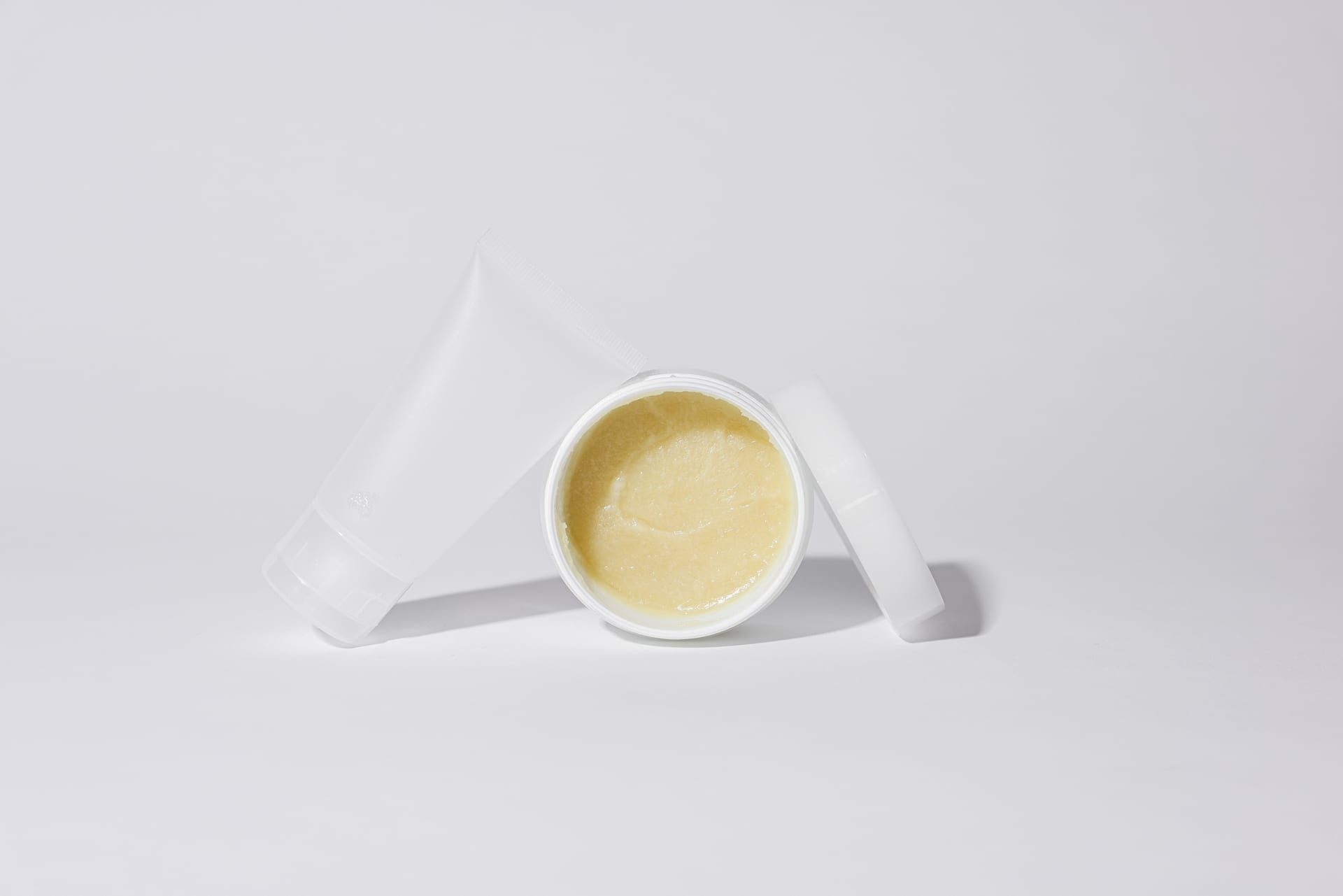
#ad · affiliate link · price as of November 28, 2026
Pick 2 · Cracked, split skin, where sealing matters more than comfort
9.0/10Lansinoh Lanolin Nipple Cream, 1.41 oz
The product the whole category is measured against, and still the right answer for the worst version of this problem. Lanolin is thick, it does not absorb much, and that is the point: it sits on the surface and holds moisture in, which is what damaged skin needs to heal rather than scab, crack and re-split at the next feed. If you have gone past sore to visibly broken, this is the one to reach for. It is also the one most hospitals and most lactation consultants will mention, so it is easy to find in a store at short notice. The costs are real. It is tacky and stiff straight out of the tube, so it drags unless you warm it between your fingers first, and skin that already hurts does not enjoy being dragged. It marks fabric. And it is a sheep-wool derivative, so people with a wool sensitivity are usually steered elsewhere.
- Base
- Lanolin, 100% natural per the listing
- Size
- 1.41 oz
- Wipe off before feeding
- No
- Format
- Thick ointment in a tube
What works
- Seals and protects broken skin better than anything else here
- The format lactation consultants and hospitals most often name
- Stocked almost everywhere, including at short notice
- No wiping off before the next feed
What it gives up
- Thick and tacky; warm it between your fingers or it drags
- Derived from sheep's wool, so not for a wool sensitivity
- Greasy enough to mark bras, pads and shirts
- Smaller tube than the plant-based jars here
Skip it ifyou react to wool or lanolin, or you want something that absorbs.
| Holds up on cracked skin | 9.7 |
|---|---|
| Spreads on skin that already hurts | 6.5 |
| No wiping off before a feed | 9.5 |
| Ingredient list you can read | 9.5 |
| Amount you get | 7.0 |
| Comes out of bras and pads | 6.0 |
#ad · affiliate link · price as of November 28, 2026
Pick 3 · The budget pick: lanolin protection for the least money
8.7/10Medela Purelan Lanolin Nipple Cream
The budget pick, and a straightforward one, because lanolin is lanolin. This is a hypoallergenic lanolin ointment from the company that makes the pump half the readers of this page will also own, and the listing states plainly that it does not need removing before a feed. It is the cheapest thing on this page by a clear margin, which matters more than it sounds: nipple cream is a product you want to over-apply for about three weeks and then rarely think about again, and a tube you are rationing is a tube you will under-use. The limitation is quantity rather than quality — this is a small tube, and if you are applying after every feed it will not last the way a two-ounce jar does. It shares the usual lanolin drawbacks too: tacky, hard to spread cold, and it marks fabric.
- Base
- Lanolin, hypoallergenic per the listing
- Size
- 37 g / 1.3 oz
- Wipe off before feeding
- No
- Format
- Ointment in a tube
What works
- Cheapest pick here, so there is no reason to ration it
- Lanolin, so it seals damaged skin the way the category standard does
- Listing states no removal is needed before feeding
- Small tube fits in a pocket or a hospital bag
What it gives up
- The smallest amount on this page
- Same tackiness and dragging as any lanolin ointment
- Marks bras and breast pads
- Not an option if you avoid wool derivatives
Skip it ifyou want one pot that lasts the whole of the early weeks without reordering.
| Holds up on cracked skin | 9.4 |
|---|---|
| Spreads on skin that already hurts | 6.5 |
| No wiping off before a feed | 9.5 |
| Ingredient list you can read | 8.8 |
| Amount you get | 5.5 |
| Comes out of bras and pads | 6.0 |
#ad · affiliate link · price as of November 28, 2026
Pick 4 · The shortest ingredient list, if that is what you care about
8.6/10Motherlove Nipple Cream, 2 oz
The pick for people who read the back of the jar before the front. It is an organic, lanolin-free salve built on a small number of plant oils, and that short list is the reason to buy it: in the first fortnight you are putting this on broken skin several times a day, and the baby's mouth goes on the same place minutes later, so fewer ingredients is a legitimate preference rather than a marketing posture. It is lighter than the butters and much lighter than lanolin, so it spreads with almost no pressure, which is exactly what you want on skin that flinches. The flip side is that a light salve does the least sealing of anything here. On merely sore skin it is lovely. On a crack that reopens at every feed it will need reapplying constantly, and you would be better served by an ointment.
- Base
- Organic herbal oils, lanolin-free
- Size
- 2 oz
- Wipe off before feeding
- No
- Format
- Light salve in a jar
What works
- Short, plant-based ingredient list, certified organic per the listing
- Lightest texture here, so it spreads with almost no pressure
- Lanolin-free, which settles the wool question
- Two-ounce jar, so there is enough of it
What it gives up
- Least protective option on genuinely split skin
- Needs reapplying more often than an ointment
- Jar format means dipping fingers in
- Herbal scent is noticeable, which not everyone wants on their chest
Skip it ifyou need something that seals rather than soothes.
| Holds up on cracked skin | 7.3 |
|---|---|
| Spreads on skin that already hurts | 9.6 |
| No wiping off before a feed | 9.5 |
| Ingredient list you can read | 9.6 |
| Amount you get | 9.0 |
| Comes out of bras and pads | 8.8 |
#ad · affiliate link · price as of November 28, 2026
Pick 5 · A tube rather than a jar, from a brand that only makes feeding kit
8.4/10Lansinoh Organic Nipple Balm, 2 oz
The compromise format, and a sensible one. It is an organic balm rather than the lanolin ointment Lansinoh is known for, in a two-ounce tube rather than a jar — which sounds like a detail until you are applying something one-handed in the dark with a baby on the other arm. A tube squeezes onto a fingertip; a jar has to be opened, dipped into and closed. Combine that with a larger amount than the lanolin tube holds and it becomes the easy-to-live-with option for daily maintenance between feeds. What it is not is the heavy seal that genuinely broken skin needs, and the listing describes it as an organic balm without making the lanolin-free claim that Earth Mama and Motherlove make explicitly, so if avoiding lanolin is the reason you are shopping, pick one of those two instead.
- Base
- Organic balm, per the listing
- Size
- 2 oz
- Wipe off before feeding
- No
- Format
- Balm in a tube
What works
- Tube format is far easier one-handed than a jar
- Larger amount than the brand's lanolin tube
- From a company whose entire range is breastfeeding equipment
- No wiping off before the next feed
What it gives up
- Lighter than lanolin, so less protective on split skin
- Listing does not state lanolin-free, unlike the explicit plant-based picks
- Balm in a tube can be stiff when the room is cold
- Less widely stocked than the brand's lanolin cream
Skip it ifyou are specifically shopping to avoid lanolin and want that stated outright.
| Holds up on cracked skin | 7.8 |
|---|---|
| Spreads on skin that already hurts | 8.8 |
| No wiping off before a feed | 9.5 |
| Ingredient list you can read | 8.0 |
| Amount you get | 9.0 |
| Comes out of bras and pads | 8.3 |
#ad · affiliate link · price as of November 28, 2026
Pick 6 · Everyday maintenance once the worst of it has passed
8.2/10The Honest Company Nipple Balm
The gentlest thing here, and the one most likely to still be in use in month three. The listing describes it as naturally derived and hypoallergenic for sensitive skin, and it behaves like a light daily moisturizer rather than a wound dressing: it goes on invisibly, it does not leave your bra feeling greasy, and nothing about it makes you hesitate before reapplying. That is a real advantage after the first fortnight, when the problem stops being damage and starts being dryness from constant washing, wet pads and a baby's mouth. It is the weakest pick on this page for the first week, when you want something that seals. Buy it as the second thing you own rather than the first, or buy it if your skin is dry and uncomfortable but not broken.
- Base
- Naturally derived, hypoallergenic per the listing
- Size
- 1.75 fl oz
- Wipe off before feeding
- No
- Format
- Balm in a tube
What works
- Lightest feel here, so you will actually keep using it
- Hypoallergenic and for sensitive skin, per the listing
- Does not leave a bra or a breast pad greasy
- Tube format, easy one-handed
What it gives up
- Not protective enough for cracked or bleeding skin
- Smallest of the non-lanolin options here
- Needs frequent reapplication early on
- Listing wording is general skincare rather than feeding-specific
Skip it ifyou are in the first week and your skin has already broken.
| Holds up on cracked skin | 6.5 |
|---|---|
| Spreads on skin that already hurts | 9.3 |
| No wiping off before a feed | 9.3 |
| Ingredient list you can read | 8.3 |
| Amount you get | 7.5 |
| Comes out of bras and pads | 9.3 |

#ad · affiliate link · price as of November 28, 2026
Questions people actually ask
What is the best nipple cream for cracked nipples?
A lanolin ointment, because it sits on the surface and seals moisture in rather than absorbing. That is what split skin needs to close instead of re-cracking at the next feed.
Plant-based butters are more comfortable to apply but less protective, so they suit sore or dry skin better than genuinely broken skin.
Do you have to wash nipple cream off before breastfeeding?
Not with any of the creams on this page — they are all sold as leave-on products, and the Medela listing states that no removal is needed.
If a product does not say plainly that it can be left on, choose a different one. Wiping a cream off raw skin eight times a day makes the problem worse.
Is lanolin or a plant-based nipple cream better?
They do different jobs. Lanolin seals and protects, which is what cracked skin needs. Plant-based butters and balms spread more easily and feel better on sore skin, and they wash out of fabric more readily.
Lanolin is a sheep's wool derivative, so a wool sensitivity rules it out. Many people end up owning one of each and using them at different stages.
How often should you apply nipple cream?
After every feed in the first weeks, which is the point at which the skin has the longest stretch before the next one. Light plant-based balms need reapplying more often than lanolin.
Changing a damp breast pad at the same time matters as much as the cream — skin that stays wet does not heal.
When should sore nipples stop hurting?
Tenderness in the first few days is common and usually eases as the latch settles in the first week or two.
Pain that is getting worse rather than better, pain between feeds, cracked or bleeding skin that is not closing, a hard painful lump or redness with a fever are reasons to speak to a midwife, a lactation consultant or your provider — quickly if there is a fever.
Does nipple cream fix a bad latch?
No. It treats the damage, not the cause. If the latch is shallow, the same spot gets compressed at every feed and the skin keeps breaking no matter what you put on it.
Having someone experienced watch a full feed is the single highest-value thing you can do about persistent soreness.
Sources
- American College of Obstetricians and Gynecologists. Breastfeeding Your Baby
- NHS Start for Life. Breastfeeding your baby
- MedlinePlus, US National Library of Medicine. Breastfeeding
Who wrote this
Selena H.
Selena owns Bump & Bolster and researches and writes every page herself. She built the site around the problems pregnancy throws at you in the order they arrive: sleep first, then pain, then nothing fitting, then recovery.