Best Maternity Clothes: What to Buy, in Order
Research-backed picks for the ten pieces that actually carry a pregnancy, ranked by how many weeks and how many occasions each one covers rather than by how it photographs.
| # | Pick | Best for | Score | Price |
|---|---|---|---|---|
| 1 | 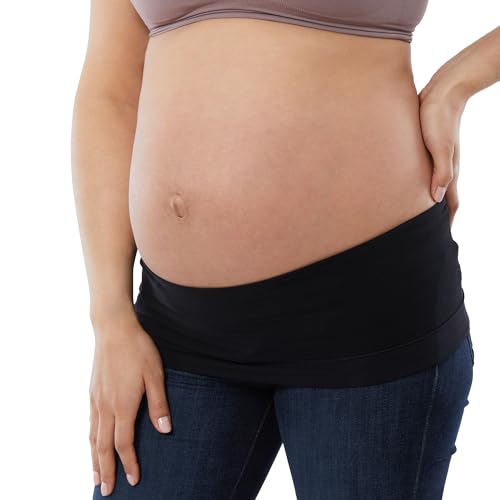 Ingrid & Isabel Bellaband Seamless Maternity Belly BandSeamless tube band that holds unbuttoned jeans up | The first thing to buy, before any maternity garment | 9.2/10 | |
| 2 | 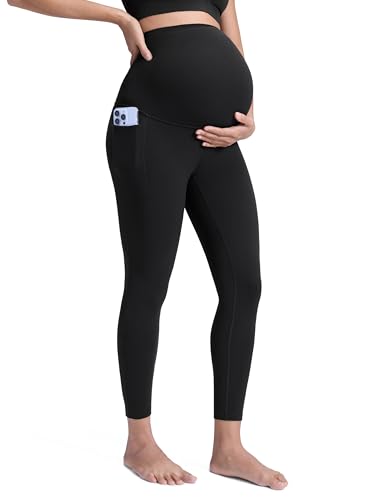 CRZ YOGA Maternity Leggings with Pockets 25 Inch25 in over-bump leggings with side pockets | The single most-worn garment of the whole pregnancy | 9.1/10 | |
| 3 |  Ekouaer Maternity Tank Tops Ribbed 4 PackRibbed over-bump maternity tanks, four-pack | The budget pick, and the fix for every top that stopped covering you | 8.9/10 | |
| 4 |  Kindred Bravely Simply Sublime Nursing Bra WirelessWireless nursing bra, buys through pregnancy and feeding | Buying the bra once instead of twice | 8.8/10 | |
| 5 |  GLAMIX Stretch Maternity Bootcut Jeans Over The BellyOver-the-belly stretch bootcut jean | The one pair of real trousers that looks like clothes | 8.6/10 |
Rows link to the full write-up below. Scores are ours, from published specs and what buyers consistently report — we have not worn these.
By Selena H. · Last reviewed: November 2026
As an Amazon Associate, we earn from qualifying purchases. We do not set prices: the figure in each button is Amazon’s own, as of the date shown, and Amazon is authoritative when you click. How this site is funded.
The short answer
Buy a belly band first, then two pairs of over-bump leggings, then a multipack of long maternity tanks. Those three items cost less than one maternity coat and they cover most days of most pregnancies. Add a wireless nursing bra when your ribcage changes, one pair of real trousers so you look like a person, and one knit dress for everything else. Everything after that depends on your job and your season — and the single most common maternity clothes mistake is buying the whole wardrobe at 14 weeks, in the size you are then, for a body you will not have in eight weeks.
Why this page is an order and not a list
"Nothing fits" arrives suddenly and it arrives as a shopping emergency, which is how people end up with a wardrobe of maternity clothes they wear a handful of times. The useful thing to know is that it is not one problem but three, and they turn up in sequence. First the waistband stops closing, which is a cheap problem. Then your tops stop covering the bump, which is also a cheap problem. Then, somewhere in the third trimester, the shape of everything is wrong and no amount of layering fixes it — and that is the expensive problem, which is the one worth buying real maternity clothes for.
Buying in that order rather than all at once does two things. It spreads the cost across months instead of one bad week, and it means every purchase is made against a body you actually have. Weight gain through pregnancy is gradual and continues well into the third trimester, so a dress bought to fit perfectly at 18 weeks is a dress bought for four weeks of wear. Pieces that stretch, pieces with no waistband and pieces you buy a little generous are the ones that survive.
We also scored every pick on whether it still gets worn after the birth, and that single axis reshuffles the whole list. Leggings, a nursing bra, high-waisted briefs, sleepwear and a knit dress carry straight into the postpartum months. Maternity jeans and work trousers mostly do not. If your budget is tight, that is where to put it: what you wear after the birth overlaps this list by more than half.
How we picked
The criteria came before the products, and they are deliberately not the criteria a fashion roundup would use. A piece earns a place here if it does enough work to justify shelf space in a small wardrobe; if it covers more than one trimester rather than one narrow window; if it works for more than one occasion; if it is still worn after the birth; if the sizing is forgiving enough to order online in a changing body; and if the cost per wear is defensible. That is why a cheap four-pack of tanks outranks a good pair of jeans here, and why the work trousers sit low despite being an excellent trouser.
Every product was confirmed against a live listing, so nothing on this page is discontinued or invented, and the specifications are read off those listings rather than measured by us. We have not worn any of them. Where a category has its own dedicated page on this site — jeans, leggings, dresses, bras, work clothes — the pick here is the piece that best earns a place in a minimum wardrobe, which is not always the same as the winner of that category's own roundup. Our full method is on how we pick.
The buying order, with the reasoning
Weeks 10-16: extend what you own
Almost nobody needs maternity clothes this early, and the people who buy them this early buy the wrong size. What you need is a band over the waistband and longer tops. One band and a multipack of tanks is the whole intervention, and it typically buys you a month or two. Our guide to when maternity clothes actually become necessary goes week by week.
Weeks 16-22: the first real purchases
This is where leggings and a bra earn their money. Leggings because they will be the most-worn garment of the pregnancy by a wide margin, and a wireless nursing bra because your ribcage is expanding and the bras in the drawer have started to hurt rather than merely not fit. Buy the bra by measurement rather than by your old size, and buy it with clips so you are not buying another one in five months. The difference between a maternity bra and a nursing bra is small enough that buying the nursing one is usually right.
Weeks 22-30: the pieces that look like clothes
One pair of over-belly trousers and one knit dress. This is the point at which layering tricks stop working and you want to be able to leave the house looking deliberate. Over-belly panels beat under-belly ones for this stretch, because an under-belly waistband starts sliding once the bump sits above it — the full comparison is on over-belly versus under-belly maternity jeans. If you work in an office, the dress trousers move up to here and you want two pairs.
Weeks 30 onward: comfort and the hospital bag
Sleepwear, high-waisted briefs and whatever your season demands. By now you are awake at night, your feet have probably swollen out of your shoes, and the clothes that matter are the ones you can get into without bending. This is also when the overlap with the postpartum list stops being theoretical: buy the briefs and the robe you want in the hospital bag now rather than ordering them from a hospital bed, and add a box of nursing pads to the same order if you plan to breastfeed, because the milk arrives on day two or three.
What to skip
Three categories absorb a lot of money and deliver very little. The first is a full set of maternity basics in one order at the start — buy the band and the tanks, then wait. The second is special-occasion maternity wear bought speculatively, without an actual event in the calendar; if a wedding or a shower turns up, buy the dress then, and that has its own page. The third is a maternity coat, when a zip-in extender does the same job for less on the coat you own.
Shapewear is the item we get asked about most and it does not make this list. Maternity shapewear exists and some people like it under a fitted dress, but it is an occasional piece rather than a wardrobe foundation, and it is the wrong tool if what you actually want is support for your back — that is a support belt, which is a different product with a different job.
Sizing, when your size is a moving target
Maternity sizing generally follows your pre-pregnancy size, which is the most useful single fact here: you do not size up for the bump, because the bump is what the extra fabric is for. Where that breaks down is bust and ribcage. Both grow, often early, and both keep going, so bras are measured rather than assumed and tops are bought with room across the chest rather than just the belly.
Two practical rules save most of the returns. First, buy knits over wovens while you are still growing — a rib or jersey absorbs weeks of change that a woven waistband cannot. Second, when you are between sizes on something with a panel, take the larger one; a loose panel is a minor annoyance and a tight one is unwearable by the time it matters. Our maternity jeans sizing guide and maternity dress sizing guide go through the measurements properly.
How much this should cost
We do not quote prices in copy, because prices move and a number written into a paragraph goes stale the week after — every live price on this site sits inside the buy button, where it is read fresh. What we can tell you is the shape of the spend. The band and the tanks are the cheapest items on the page and the best value on it. Leggings, a dress, briefs and sleepwear sit in a similar mid bracket. Jeans and work trousers are the pieces where brand actually costs you money, and the coat extender is the most expensive single thing here, which is the whole point of it replacing a coat.
If you want a rule: the three cheap items first, then add one mid-priced piece at a time as the need appears. Nearly every regret we hear about maternity clothes is the same regret, which is buying in bulk early in a size that stopped being yours.
Every pick, in detail
Scores below are ours. They come from the published specification sheets and from the patterns in what buyers consistently report — not from wearing these ourselves.
Top pick · The first thing to buy, before any maternity garment
9.2/10Ingrid & Isabel Bellaband Seamless Maternity Belly Band
Buy this before you buy a single maternity garment. It is a plain seamless tube you pull over unbuttoned jeans and regular trousers, and what it does is buy you four to eight weeks in clothes you already own — which is exactly the window where most people panic-order a wardrobe they later wear six times. In the second trimester the problem is almost never that your legs changed shape; it is that the waistband will not close. A band solves that for a fraction of what a pair of maternity jeans costs, and it keeps working later as the thing that stops a low-rise maternity panel from rolling. It is also the one item on this page that is just as useful on the way back down afterward, when your regular jeans nearly fit but not quite. The limits are real: it is a waistband extender, not support, and it does nothing for a top that no longer covers your bump.
- Type
- Seamless tube band — a waistband extender, not a support belt
- Fabric
- Nylon and spandex
- Purpose
- Holds unbuttoned jeans up; smooths the transition
- Support
- Gentle, not structural
What works
- Delays a maternity-clothes spend by weeks, which is the cheapest win available
- Works on jeans, trousers, skirts and shorts you already own
- Smooths the gap when a maternity panel sits lower than you want
- Useful again postpartum, in the weeks when your old jeans almost close
What it gives up
- A waistband extender, not a support belt — no lift and no back relief
- Nylon and spandex, so it is warm in summer
- Rides up on some body shapes until you learn where it sits
- Does nothing about tops that have stopped covering the bump
Skip it ifyou are already past the point where your pre-pregnancy trousers do up at all — then you need real maternity bottoms, not an extender.
| Earns a place in a small wardrobe | 9.5 |
|---|---|
| Covers more than one trimester | 8.0 |
| Works for more than one occasion | 9.0 |
| Still worn after the birth | 9.0 |
| Sizing you can get right first time | 9.3 |
| Cost per wear | 9.8 |
#ad · affiliate link · price as of November 28, 2026
Pick 2 · The single most-worn garment of the whole pregnancy
9.1/10CRZ YOGA Maternity Leggings with Pockets 25 Inch
If you buy one maternity garment, buy leggings, and these are the pair worth the money. The over-bump panel is high and broad enough that it stays where you put it instead of rolling down under the bump every time you stand up, the fabric is thick enough not to go sheer when it stretches over a 32-week belly, and the side pockets mean a phone has somewhere to live. That last point sounds trivial and is not: by the third trimester, bending to pick up a dropped phone is a decision. The honest reason leggings top the list is arithmetic — most people wear them four or five days a week from about 20 weeks, through the postpartum months when nothing with a waistband is tolerable, and no other piece of maternity clothing comes close to that. Buy two pairs rather than one of something fancier.
- Panel
- Over-belly
- Inseam
- 25 in
- Pockets
- Side pockets
- Fabric
- Technical athletic knit
What works
- High broad over-bump panel that does not roll down under the belly
- Opaque at full stretch, which cheap maternity leggings often are not
- Real side pockets, which matters more every week
- Worn constantly in the postpartum months, when waistbands are intolerable
What it gives up
- The 25 in inseam is a cropped length on taller frames
- Not office-appropriate in most workplaces
- Priced above the supermarket pairs, and the difference is only in fabric and panel
- Dark colors only, realistically — light leggings show everything
Skip it ifyour workplace has a dress code that leggings cannot meet — then the dress pants below are the first buy instead.
| Earns a place in a small wardrobe | 9.8 |
|---|---|
| Covers more than one trimester | 9.5 |
| Works for more than one occasion | 7.0 |
| Still worn after the birth | 9.8 |
| Sizing you can get right first time | 8.8 |
| Cost per wear | 9.5 |
#ad · affiliate link · price as of November 28, 2026
Pick 3 · The budget pick, and the fix for every top that stopped covering you
8.9/10Ekouaer Maternity Tank Tops Ribbed 4 Pack
The budget pick on this page, and the piece that quietly solves the problem nobody warns you about: your tops ride up long before your trousers stop fitting. A regular T-shirt is cut for a straight torso, so once the bump pushes it forward the hem climbs and a strip of belly is out all day. A long ribbed maternity tank fixes that for every single top you already own — wear it under an unbuttoned shirt, a cardigan or a jumper that no longer meets in the middle, and the outfit works again. Four of them cost less than one maternity dress, they layer under everything, and they keep going postpartum as the thing you wear when you want your middle covered but not held in. The trade-offs are what you expect at this price: thin ribbed fabric, and the color will fade.
- Pack
- 4
- Fabric
- Ribbed stretch knit
- Length
- Long, covers the bump
- Use
- Layering and summer
What works
- Rescues tops you already own, which is the cheapest way to dress a bump
- Four to a pack, so there is always a clean one
- Layers under shirts, cardigans and jumpers that no longer close
- Keeps working postpartum as a soft covering layer
What it gives up
- Thin ribbed fabric — this is a layering piece, not a standalone top in winter
- Colors fade with repeated washing
- Ribbed knit clings, which not everyone wants on its own
- No bust support at all, so the bra underneath is doing all the work
Skip it ifyou want a top you can wear alone to work — ribbed tanks read as underlayers in most offices.
| Earns a place in a small wardrobe | 9.3 |
|---|---|
| Covers more than one trimester | 9.3 |
| Works for more than one occasion | 8.0 |
| Still worn after the birth | 8.8 |
| Sizing you can get right first time | 8.5 |
| Cost per wear | 9.8 |
#ad · affiliate link · price as of November 28, 2026
Pick 4 · Buying the bra once instead of twice
8.8/10Kindred Bravely Simply Sublime Nursing Bra Wireless
Your ribcage and cup size both change during pregnancy, which means the bras in your drawer stop working somewhere in the second trimester and the question becomes whether to buy a maternity bra now and a nursing bra later. Buy a wireless nursing bra once and the answer is no. This one is seamless, wireless, has a wide band that does not dig in as your ribs expand, and the clips mean it still works when the baby arrives — so one purchase covers maybe nine months instead of four. Soreness and breast tenderness are among the earliest and most persistent pregnancy symptoms, and a wire sitting in the wrong place all day is a genuine misery rather than a style complaint. The catch is that a stretchy wireless bra gives shape rather than lift, and above a D cup that will not be enough for everyone.
- Wires
- Wireless
- Access
- Clip-down
- Size range
- Bands and cups well past a D
- Use
- All-day wear, pregnancy through nursing
What works
- Covers pregnancy and nursing in one purchase, not two
- Wireless and seamless, so nothing digs in as the ribcage expands
- Wide band and stretchy cups absorb a size of change either way
- Clips are easy one-handed, which is the real test later
What it gives up
- Shape rather than lift — not enough support for a larger bust
- Stretch fabric loses its recovery after months of daily wear
- Sizing runs between brands; measure rather than assume
- Pale colors show through thin tops
Skip it ifyou are a D cup or above and want real lift — our nursing bras for a larger bust page is the right page for you.
| Earns a place in a small wardrobe | 9.5 |
|---|---|
| Covers more than one trimester | 9.3 |
| Works for more than one occasion | 8.5 |
| Still worn after the birth | 9.5 |
| Sizing you can get right first time | 7.3 |
| Cost per wear | 8.8 |
#ad · affiliate link · price as of November 28, 2026
Pick 5 · The one pair of real trousers that looks like clothes
8.6/10GLAMIX Stretch Maternity Bootcut Jeans Over The Belly
At some point the band stops being enough and you want to look like a person in actual trousers, and this is where to spend that money. An over-the-belly panel is the version that keeps working into the third trimester — under-belly waistbands are more comfortable early and then start sliding once the bump sits over them, which is why they tend to be the pair people stop wearing. The bootcut leg is the quiet reason this ranks above a skinnier cut: it balances the bump visually and it goes over the shoes and boots you can still get on, which matters more once reaching your feet becomes awkward. Buy one pair, not three. Maternity jeans are the item people over-buy and then wear twice a week.
- Panel
- Over-belly stretch panel
- Leg
- Bootcut / flare
- Pockets
- Yes
- Fabric
- Stretch denim
What works
- Over-the-belly panel keeps working into the third trimester
- Bootcut leg goes over boots and balances the bump
- Reads as real clothes in a way leggings do not
- Stretch denim absorbs the last few weeks of growth
What it gives up
- The panel is warm, and in summer you will notice
- Stretch denim bags out at the knee through a long day
- Sizing is inconsistent across maternity denim brands
- Almost nobody wears maternity jeans much after the birth
Skip it ifyou are tall — the leg length on most over-belly maternity denim is short, and our tall maternity jeans page exists for that reason.
| Earns a place in a small wardrobe | 8.5 |
|---|---|
| Covers more than one trimester | 9.0 |
| Works for more than one occasion | 8.8 |
| Still worn after the birth | 5.5 |
| Sizing you can get right first time | 7.5 |
| Cost per wear | 8.3 |
#ad · affiliate link · price as of November 28, 2026
Pick 6 · One dress that covers everything a dress has to cover
8.5/10Kindred Bravely Essentials Ribbed Maternity Nursing Dress
The single-dress answer. A ribbed knee-or-midi dress in a plain color is the most flexible garment you can own while pregnant, because it stretches instead of needing to fit, it reads as dressed-up or casual depending on the shoes, and the nursing access means it does not become useless the week the baby arrives. The practical case is the week you have a work thing, a scan, a family lunch and nothing that does up — a dress removes the waistband problem entirely rather than solving it. Knit dresses are also the most forgiving thing to buy online in a body that is changing weekly, which is worth real money when returning parcels is the last thing you want to be doing. Buy the plainest color you will actually wear, not the one that photographs well.
- Fabric
- Rib knit
- Access
- Nursing-friendly opening
- Span
- Maternity through breastfeeding
- Use
- Everyday, dressed up or down
What works
- No waistband to fit, which removes the hardest sizing problem
- Dresses up or down on shoes alone
- Hidden nursing access, so it survives the birth
- Knit is the most forgiving thing to order online mid-pregnancy
What it gives up
- Ribbed knit shows every line underneath
- Clings to the bump, which not everyone wants
- Mid-weight rib is warm for a summer pregnancy
- One dress worn weekly looks like one dress worn weekly
Skip it ifyou need a formal outfit for a specific event — a wedding or shower deserves its own page and its own dress.
| Earns a place in a small wardrobe | 8.8 |
|---|---|
| Covers more than one trimester | 9.3 |
| Works for more than one occasion | 9.3 |
| Still worn after the birth | 8.8 |
| Sizing you can get right first time | 9.0 |
| Cost per wear | 8.0 |

#ad · affiliate link · price as of November 28, 2026
Pick 7 · The piece that gets worn daily and is bought last
8.3/10Kindred Bravely High Waisted Postpartum and Maternity Underwear
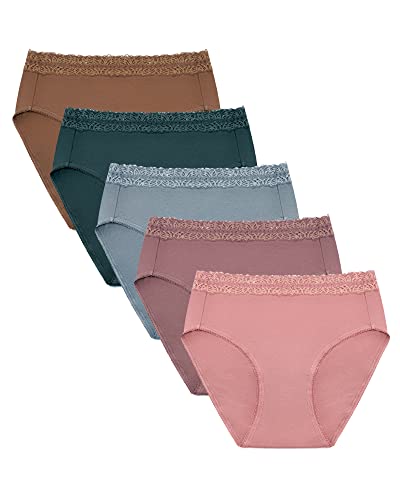
Nobody puts underwear on a wardrobe list and almost everybody ends up buying it in a hurry at 30 weeks, which is the wrong order. Regular briefs do one of two things once the bump arrives: cut a line across it, or roll down under it and sit there. High-waisted over-bump briefs do neither, which you notice most on the days you are on your feet. The reason they rank where they do, though, is the other end: these are the ones you want in the hospital bag and in the weeks after, when a high soft waistband over a C-section incision or a sore abdomen is the difference between dressed and not dressed. Buy a multipack in a size up from your usual and buy it in black. The honest downside is that they are plain, and they are not cheap for what they are.
- Rise
- High — over the bump and over a c-section scar
- Use
- Pregnancy and postpartum
- Fabric
- Soft stretch knit
- Size range
- Extended
What works
- Sits over the bump rather than cutting across or rolling under it
- The high soft waistband is what you want over a C-section incision
- Multipack, so the laundry cycle is survivable
- Worn daily from the second trimester to months postpartum
What it gives up
- Expensive for underwear, and the premium is in the waistband alone
- Plain, with no pretence otherwise
- Cotton-blend waistbands loosen over a few months of washing
- Mesh hospital knickers are better for the first few days specifically
Skip it ifyou only want something for the first week after birth — disposable or mesh postpartum underwear is the better buy for that fortnight.
| Earns a place in a small wardrobe | 8.8 |
|---|---|
| Covers more than one trimester | 9.0 |
| Works for more than one occasion | 7.0 |
| Still worn after the birth | 9.5 |
| Sizing you can get right first time | 8.5 |
| Cost per wear | 8.0 |
#ad · affiliate link · price as of November 28, 2026
Pick 8 · Anyone whose workplace will not accept leggings
8.2/10G4Free EverGoing Maternity Dress Pants Pregnancy Slacks
The piece that moves to the top of the list if you work somewhere with a dress code, and can be skipped entirely if you do not. Office maternity dressing has one hard problem: the waistband. A smart trouser with a full over-bump knit panel and a pressed straight or tapered leg solves it without announcing itself, and two pairs rotated with tops you already own will carry you through a working pregnancy. The reason it does not rank higher is simply that the wear window is short — most people stop wearing work trousers weeks before the leave starts and never put them on again — so the cost per wear is the worst on this page for anyone who does not need them five days a week. If you do need them, buy two pairs in the same color and stop thinking about it.
- Panel
- Over-belly knit waist
- Leg
- Straight dress-pant cut
- Fabric
- Suiting-weight stretch
- Use
- Office, client-facing
What works
- Meets an office dress code, which leggings and denim do not
- Full over-bump panel rather than a side-panel compromise
- Pressed leg reads as a real trouser rather than a legging
- Machine washable, which matters for five-days-a-week wear
What it gives up
- The shortest wear window of anything here, so cost per wear is poor
- Knit panel plus lined office heating is warm
- Panel edge can show through a thin or tucked top
- Essentially unworn after the birth
Skip it ifyou work from home or in a casual workplace — this is the one item on the page a lot of people genuinely do not need.
| Earns a place in a small wardrobe | 7.5 |
|---|---|
| Covers more than one trimester | 8.5 |
| Works for more than one occasion | 7.0 |
| Still worn after the birth | 4.0 |
| Sizing you can get right first time | 8.0 |
| Cost per wear | 7.0 |

#ad · affiliate link · price as of November 28, 2026
Pick 9 · The hours you spend in clothes nobody sees
8.1/10Ekouaer Maternity Nursing Pajamas Set 3 Piece Postpartum
You will spend more hours of this pregnancy in sleepwear than in anything else on the page, and in the third trimester those hours are mostly spent awake. Broken sleep is close to universal by then, which means getting up, getting hot, getting cold and getting up again — and a pajama set with a stretch over-bump waist, a feeding-access top and a matching robe handles all of that better than the oversized T-shirt most people default to. The robe is the part worth paying for twice: it is what you put on at three in the morning, what you wear in the hospital, and what makes a visitor at the door survivable in the first postpartum fortnight. Treat it as the piece whose value shows up after the birth rather than before.
- Pieces
- 3 — top, bottoms and robe
- Access
- Nursing panels
- Use
- Hospital and home
- Fabric
- Soft knit
What works
- Over-bump stretch waist, so the waistband is not the thing waking you
- Feeding access on the top carries straight into nursing
- The robe does real work in hospital and in the first weeks home
- Three pieces, so one wash does not leave you with nothing
What it gives up
- Polyester-blend knits run hot, and late pregnancy already does
- Three-piece sets mean you wear the piece you like and ignore one
- Light colors are optimistic for the postpartum weeks
- Sizing on sets is all-or-nothing — one piece usually fits worse
Skip it ifyou sleep hot — a loose cotton nightgown breathes better than any knit set, and our maternity pajamas page ranks for that specifically.
| Earns a place in a small wardrobe | 8.3 |
|---|---|
| Covers more than one trimester | 9.0 |
| Works for more than one occasion | 6.5 |
| Still worn after the birth | 9.5 |
| Sizing you can get right first time | 7.5 |
| Cost per wear | 8.3 |

#ad · affiliate link · price as of November 28, 2026
Pick 10 · A winter pregnancy, instead of buying a maternity coat
7.9/10Make My Belly Fit Coat and Jacket Extender for Maternity and Babywearing
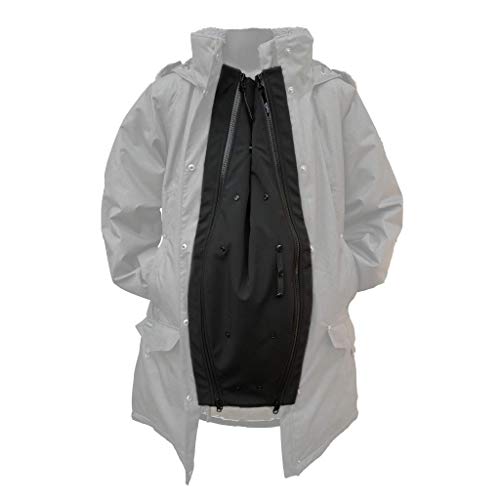
Last on the list because it is seasonal, and included because it is the right answer to a question most people get wrong. A maternity coat is one of the most expensive single garments in pregnancy and gets worn for one winter. An extender is a zip-in panel that widens the coat you already own, which costs less than a coat, works with more than one jacket, and keeps working for babywearing afterward. The catch is honest and it is about zips: it attaches with a universal zipper system, and how well it sits depends on the coat you own, so this is a buy-and-try rather than a certainty. If your coat still closes, buy nothing. If your bump is due in March, buy nothing. If you are 26 weeks in November, this is the cheaper and more useful half of the decision.
- Type
- Universal coat extender panel, not a coat
- Use
- Adds bump or carrier room to a coat you already own
- Fit
- Zips into an existing jacket
- Reuse
- Works again for babywearing after the birth
What works
- Far less than a maternity coat, and fits more than one jacket
- Keeps working for babywearing after the birth
- Nothing new to store once the pregnancy is over
- Avoids buying a heavy coat for a single winter
What it gives up
- Fit depends on your coat, so it is a buy-and-try
- Zipper attachment takes a patient first fitting
- Expensive for a panel if it turns out your coat still closes
- Does nothing for a tailored wool coat you were not going to unzip anyway
Skip it ifyour third trimester lands in spring or summer — then neither a maternity coat nor an extender is a purchase worth making.
| Earns a place in a small wardrobe | 7.0 |
|---|---|
| Covers more than one trimester | 7.5 |
| Works for more than one occasion | 8.0 |
| Still worn after the birth | 8.5 |
| Sizing you can get right first time | 6.5 |
| Cost per wear | 8.0 |
#ad · affiliate link · price as of November 28, 2026
Questions people actually ask
What maternity clothes do I actually need?
For most people: a belly band, two pairs of over-bump leggings, a multipack of long maternity tanks, a wireless nursing bra, one pair of over-belly trousers and one knit dress. That is a working wardrobe.
Everything after that is job-specific or season-specific. Office dress trousers, swimwear, a coat extender and smart dresses are worth buying only when the need is real rather than anticipated.
When should I start buying maternity clothes?
Most people need a waistband solution somewhere between 10 and 16 weeks, and real maternity garments between 16 and 22 weeks. It varies a lot with build and with whether this is a first pregnancy.
Buying the full wardrobe before you need it is the common mistake, because it is bought in a size that will not be yours in two months. Buy the band and the long tanks early and wait on the rest.
Should I size up in maternity clothes?
No. Maternity sizing follows your pre-pregnancy size, because the extra fabric is already designed in for the bump.
The exceptions are bras and anything fitted across the chest, where your ribcage and cup size both change. Measure for those rather than guessing, and if you are between sizes on a garment with a panel, take the larger one.
Is it cheaper to buy maternity clothes or size up in regular clothes?
Sizing up in regular clothes works for tops and for loose dresses and does not work for anything with a waistband, because the problem is the shape of the bump rather than overall size. A larger pair of regular jeans still cuts across it.
The cheapest real strategy is a mix: a belly band plus your own trousers early on, long maternity tanks under tops you already own, and maternity bottoms bought only once the band stops working.
Which maternity clothes are still useful after the birth?
Leggings, nursing bras, high-waisted over-bump briefs, nursing sleepwear and knit dresses with feeding access all carry straight into the postpartum months, and in most cases get worn more after the birth than before it.
Maternity jeans, work trousers and anything with a structured bump panel mostly do not. If budget is tight, spend it on the first group.
How many maternity clothes should I buy?
Think in terms of a week rather than a wardrobe: enough for five or six days without laundry panic. For most people that is two pairs of leggings, one or two pairs of real trousers, three or four tops or tanks, one dress and two bras.
Buying more than that is how maternity clothes end up worn a handful of times. You are dressing a few months, not a season.
Do I need maternity underwear?
It is not strictly necessary in the second trimester, but high-waisted over-bump briefs are more comfortable than regular ones once the bump arrives, because regular briefs either cut across it or roll under it.
The stronger argument is for after the birth, when a high soft waistband over a sore abdomen or a C-section incision is genuinely useful. Buy them before the hospital bag is packed.
Is a maternity coat worth buying?
Usually not. It is one of the most expensive single garments in pregnancy and it gets worn for one winter.
A zip-in coat extender widens the coat you already own for less, works with more than one jacket, and keeps being useful for babywearing afterward. If your third trimester falls in spring or summer, buy neither.
Sources
- MedlinePlus, US National Library of Medicine. Pregnancy care
- MedlinePlus, US National Library of Medicine. Common symptoms during pregnancy
- NHS. Your post-pregnancy body
- American College of Obstetricians and Gynecologists. Exercise During Pregnancy
Who wrote this
Selena H.
Selena owns Bump & Bolster and researches and writes every page herself. She built the site around the problems pregnancy throws at you in the order they arrive: sleep first, then pain, then nothing fitting, then recovery.